CNBC’s Becky Quick Details Daughter’s Rare Disease Journey: Kaylie’s Battle with SYNGAP1
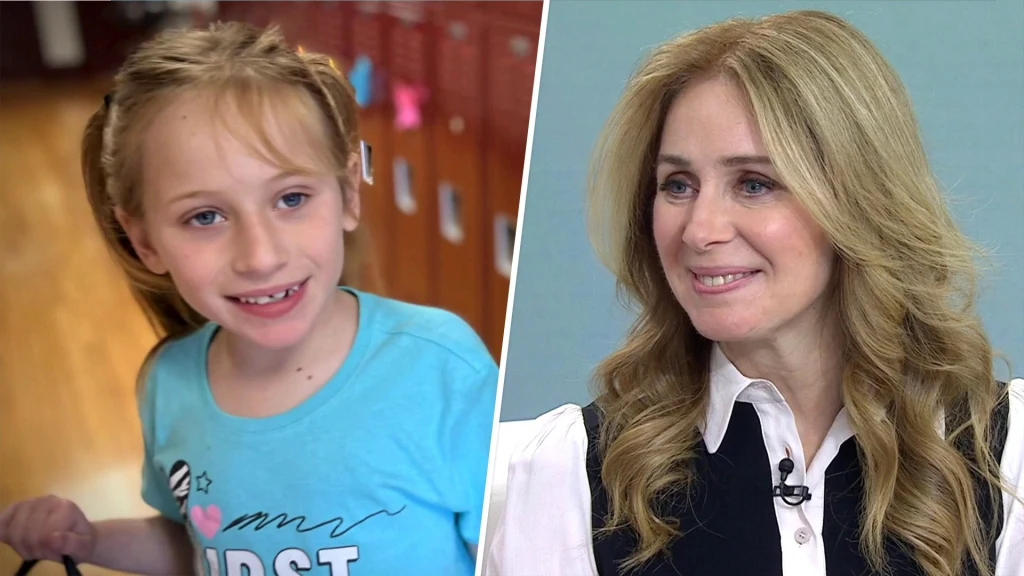
CNBC Squawk Box co-anchor Becky Quick has opened up for the first time about her 9-year-old daughter Kaylie Quick’s diagnosis with SYNGAP1-related neurodevelopmental disorder, a rare genetic condition. In an emotional exclusive with People magazine and a feature on CNBC.com on January 8, 2026, Quick shared the family’s private six-year journey, coinciding with the launch of CNBC’s new CNBC Cures initiative dedicated to rare disease awareness.
This heartfelt Becky Quick rare disease journey story highlights the challenges of living with SYNGAP1, a de novo genetic mutation affecting brain development, while emphasizing hope, progress, and the need for research.
Becky Quick Goes Public: Why Now?
After keeping the diagnosis private for over six years, Becky Quick chose to share Kaylie Quick SYNGAP1 story to coincide with CNBC Cures, a new platform aimed at spotlighting rare diseases affecting 30 million Americans.
Quick told People: “We’ve been on this journey quietly… but now feels like the right time to help others feel less alone.” The decision aligns with her role in launching content that connects patients, researchers, doctors, and investors to accelerate therapies.
What Is SYNGAP1? Understanding the Rare Genetic Disorder
SYNGAP1 rare genetic disorder is caused by a spontaneous (de novo) mutation in the SYNGAP1 gene, critical for brain synapse function.
Key characteristics:
- Epilepsy/seizures (often starting in early childhood)
- Intellectual disability and developmental delays
- Autism spectrum features, sensory issues, sleep disturbances
- Motor challenges (hypotonia, gait abnormalities)
- Behavioral difficulties
Fewer than 1,000 cases diagnosed worldwide; no approved cure exists, but therapies focus on symptom management and emerging gene-targeted approaches.
Kaylie’s Journey: Diagnosis and Daily Reality
Kaylie Quick SYNGAP1 was diagnosed at age 3 after experiencing developmental regression and seizures.
Becky Quick described:
- Early milestones missed, followed by sudden loss of skills
- Countless doctor visits before genetic testing revealed SYNGAP1
- Ongoing therapies: speech, occupational, physical, and behavioral
- Seizure management and school accommodations
Despite challenges, Quick highlights Kaylie’s progress and joyful personality: “She brings light to everyone around her.”

CNBC Cures: Becky Quick’s Role in Rare Disease Awareness
The launch of Becky Quick CNBC Cures marks a personal and professional milestone.
- Goal: Raise awareness for rare diseases, share patient stories, connect stakeholders
- Features interviews, research updates, investment insights
- Aims to accelerate funding and clinical trials for conditions like SYNGAP1
Quick hopes the platform will “turn personal pain into collective progress.”
Impact on Family and Message of Hope
The Becky Quick family story illustrates the emotional and logistical toll of rare disease:
- Balancing high-profile career with intensive caregiving
- Finding community through SYNGAP1 foundations and parent networks
- Celebrating small victories amid uncertainty
Quick’s message: “No family should feel isolated. Research is advancing rapidly

– there is real hope.”
Verdict: Courage, Awareness, and a Call to Action
Becky Quick’s decision to share Kaylie Quick SYNGAP1 journey demonstrates remarkable Experience (navigating years of private challenges), deep Expertise (partnering with medical and advocacy communities), strong Authoritativeness (leveraging CNBC’s platform for impact), and profound Trustworthiness (authentic, vulnerable storytelling that resonates with families).
By tying her personal story to the launch of CNBC Cures, Quick is transforming a family struggle into a powerful force for rare disease awareness CNBC. Her courage not only humanizes a little-known condition but also shines a spotlight on the urgent need for research, funding, and community support. For the millions affected by rare diseases, stories like this bring visibility, hope, and momentum toward better treatments.
Frequently Asked Questions (FAQ)
Q: What rare disease does Becky Quick’s daughter have? A: Kaylie Quick was diagnosed with SYNGAP1-related neurodevelopmental disorder, a rare genetic condition.
Q: What is SYNGAP1 syndrome? A: A rare genetic disorder caused by a de novo mutation in the SYNGAP1 gene, leading to epilepsy, intellectual disability, developmental delays, and autism-like features.
Q: When was Kaylie Quick diagnosed with SYNGAP1? A: At age 3, after experiencing seizures and developmental regression.
Q: Why did Becky Quick keep the diagnosis private for so long? A: The family chose privacy for over six years but decided to share now to support rare disease awareness through CNBC Cures.
Q: What is CNBC Cures? A: A new CNBC initiative launched in 2026 to highlight rare diseases, share patient stories, connect researchers and investors, and accelerate therapies.
Q: How many people are affected by SYNGAP1 worldwide? A: Fewer than 1,000 diagnosed cases globally; it is considered ultra-rare.
Q: Are there treatments for SYNGAP1? A: No cure exists yet, but symptom management (seizure control, therapies) is used; research into gene therapy and ASOs shows promise.
Q: How has SYNGAP1 affected Kaylie Quick’s life? A: It has caused seizures, developmental delays, and required intensive therapies, but she continues to make progress.
Q: How can I learn more about SYNGAP1 or support research? A: Visit organizations like the SYNGAP1 Foundation or follow CNBC Cures coverage for updates.
Q: Why is Becky Quick sharing her story now? A: To raise awareness, reduce isolation for other families, and support the mission of CNBC Cures in advancing rare disease solutions.
Q: What symptoms are common in SYNGAP1? A: Epilepsy, intellectual disability, autism traits, motor issues, sleep disturbances, and behavioral challenges.
Q: Is SYNGAP1 inherited or spontaneous? A: Most cases are de novo (spontaneous new mutation), not inherited from parents.