Cherry Blossoms DC Forecast: Peak Bloom Hits Early 2026
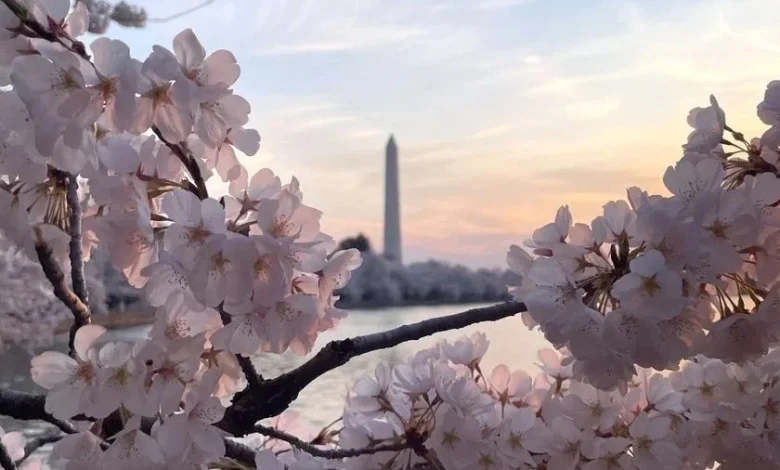
Cherry Blossoms DC Forecast alerts are currently dominating the news cycle as the nation’s capital celebrates a spectacular, albeit early, arrival of spring. On Thursday, March 26, 2026, the National Park Service officially declared that the iconic Yoshino cherry trees surrounding the Tidal Basin had reached peak bloom. This monumental announcement marks the climax of a highly scrutinized biological timeline, one that draws millions of tourists, photographers, and nature enthusiasts to Washington, District of Columbia, each year. The stunning canopy of soft pink and white flowers transforms the monumental core into a breathtaking landscape, but the window to witness this phenomenon is notoriously brief. Understanding the environmental factors, anticipating the weather, and planning your visit meticulously are essential for maximizing the experience. In this comprehensive report, we delve deeply into the meteorological data, historical comparisons, and official festival events that define the 2026 cherry blossom season, providing readers with the ultimate guide to navigating this ephemeral natural wonder.
Before exploring the detailed meteorological data and festival itineraries, please review the breakdown of topics covered in this extensive guide:
- The Official 2026 Peak Bloom Announcement
- Why the 2026 Season Defied Expectations: Climate and Weather Factors
- Comprehensive Meteorological Outlook for the Tidal Basin
- Key Stages of the Cherry Blossom Bloom Cycle
- Historical Bloom Dates: A Decade in Review
- National Cherry Blossom Festival 2026 Events Schedule
- Best Viewing Spots and Crowd Navigation Strategies
- Economic and Cultural Impact of the Washington DC Spring
- Sustainable Tourism and Protecting the Historic Trees
The Official 2026 Peak Bloom Announcement
The confirmation of peak bloom is a momentous occasion in Washington. The National Park Service defines this stage as the precise moment when seventy percent of the Yoshino cherry blossoms in the Tidal Basin area are fully open. Prior to the actual event, official projections released earlier in the month estimated that the peak bloom window would land somewhere between March 29 and April 1. However, nature has its own schedule. Defying the preliminary forecasts, the blossoms accelerated their developmental cycle, bursting into full color by March 26. This date ranks among the top twenty earliest blooms in more than a century of meticulous record-keeping. The declaration, eagerly anticipated by local businesses and international travelers alike, signifies the commencement of the most visually dramatic period of the spring season. The rapid transition from puffy white blossoms to fully open petals caught some planners off guard, emphasizing the inherent unpredictability of the cherry blossom timeline. Botanists and park rangers continuously monitor the trees, communicating subtle changes in the buds to the public. The 2026 announcement triggered an immediate surge in foot traffic around the Jefferson Memorial and the Washington Monument, as eager spectators rushed to capture the perfect photograph before the fragile petals inevitably begin to fall.
Why the 2026 Season Defied Expectations: Climate and Weather Factors
To fully comprehend the timeline of this year’s bloom, one must analyze the complex interplay of winter dormancy and spring warming. The winter leading up to the 2026 season was characterized by some of the coldest temperatures recorded in over two decades, which initially led meteorologists and horticulturists to believe that the blossoms would be significantly delayed. Indeed, the trees did not reach the first critical stage of development, the emergence of green buds, until March 11, which is notably later than the historical average. However, mid-March ushered in a dramatic atmospheric shift. A persistent high-pressure system settled over the Mid-Atlantic region, delivering a stretch of unusually warm, sun-drenched days. March temperatures averaged approximately five degrees above the historical norm, creating an intensely localized greenhouse effect around the Tidal Basin. This sudden burst of thermal energy forced the trees to compress their entire bloom cycle into a mere fifteen days, one of the shortest developmental windows ever documented. This phenomenon is not an isolated incident; it aligns with a long-term, verifiable trend driven by human-caused climate change. Over the past century, the average peak bloom date has steadily shifted earlier, moving from April 4 to March 29. The 2026 season marks the seventh consecutive year that the blossoms have arrived ahead of schedule, serving as a striking visual indicator of our changing environmental patterns.
Comprehensive Meteorological Outlook for the Tidal Basin
Once peak bloom is achieved, the primary concern shifts to petal retention, which is entirely dictated by the prevailing weather conditions. The lifespan of a Yoshino cherry blossom is incredibly fragile; strong winds, heavy precipitation, or sudden freezes can strip the trees bare overnight, prematurely concluding the season. For visitors planning their excursions following the March 26 announcement, the immediate forecast presents a mixed bag of atmospheric challenges. On Friday, March 27, the region is experiencing light rain and overcast skies, with daytime highs hovering around 59 degrees Fahrenheit. While light precipitation alone is not catastrophic for the petals, a cold front is expected to push through overnight, bringing temperatures plummeting to a brisk 33 degrees Fahrenheit, with a slight possibility of nighttime snow flurries. Fortunately, the weekend outlook is far more promising. Saturday, March 28, promises abundant sunshine, though conditions will be notably chilly, with high temperatures struggling to surpass 46 degrees Fahrenheit and relatively low humidity. This crisp, cool weather is actually ideal for preserving the blossoms, as it essentially refrigerates the flowers and slows down the wilting process. Sunday will see a return to mostly cloudy conditions with highs reaching 58 degrees, providing another solid day for viewing before heavier rain showers arrive by the middle of the following week. Visitors are strongly advised to dress in layers and carry wind-resistant umbrellas to navigate the unpredictable spring microclimates near the water.
Key Stages of the Cherry Blossom Bloom Cycle
The journey to peak bloom is a fascinating biological process divided into six distinct stages, meticulously tracked by horticultural experts. Understanding these stages allows enthusiasts to appreciate the resilience and complexity of the Prunus x yedoensis (Yoshino cherry). The first stage is the green color in buds, which, in 2026, occurred on March 11. This indicates that the tree has broken its winter dormancy. The second stage, florets visible, reveals the tiny individual flower structures tightly packed within the bud. Stage three is the extension of florets, where the protective outer scales begin to peel back. Stage four, peduncle elongation, is perhaps the most vulnerable phase; the stems supporting the flowers grow longer, making them susceptible to late frosts. Stage five is the highly anticipated puffy white phase. In 2026, the trees reached this stage on Monday, March 23, signaling that peak bloom was imminent. The puffy white buds resemble miniature popcorn kernels clinging to the dark bark. Finally, stage six is peak bloom, the glorious climax where at least seventy percent of the flowers are open. The entire progression in 2026 was remarkably rapid. The biological imperative of the trees to reproduce, triggered by the sudden warmth, overrode the initial delays caused by the severe winter, demonstrating the incredible adaptability of these century-old specimens.
Historical Bloom Dates: A Decade in Review
Contextualizing the 2026 peak bloom requires a retrospective glance at historical data. Analyzing the past decade reveals the aforementioned trend of increasingly early arrivals and the inherent volatility of the Mid-Atlantic spring climate. The following table provides a comparative breakdown of peak bloom dates and the dominant weather narratives that shaped those respective seasons, demonstrating the shifting climatic baseline over the years.
| Year | Peak Bloom Date | Dominant Weather Narrative | Length of Bloom Cycle |
|---|---|---|---|
| 2026 | March 26 | Severe late winter cold followed by extreme March warming wave | 15 Days |
| 2025 | March 28 | Mild winter with consistent spring showers | 19 Days |
| 2024 | March 17 | Exceptionally warm winter, no significant hard freezes | 22 Days |
| 2023 | March 23 | Fluctuating temperatures, late-season frost scare | 18 Days |
| 2022 | March 21 | Above-average March temperatures, dry conditions | 17 Days |
| 2021 | March 28 | Average winter, steady warming trend in late March | 20 Days |
| 2020 | March 20 | Unseasonably warm winter, early floret extension | 16 Days |
| 2019 | April 1 | Prolonged cool spring, frequent precipitation | 25 Days |
| 2018 | April 5 | Late snowstorms, persistent cold fronts in March | 28 Days |
| 2017 | March 25 | Sudden warm spell followed by a severe late freeze | 19 Days |
National Cherry Blossom Festival 2026 Events Schedule
The blooming of the trees is not merely a botanical event; it is the centerpiece of a massive cultural celebration. The 2026 National Cherry Blossom Festival runs from March 20 through April 12, offering four weeks of vibrant programming that honors the enduring friendship between the United States and Japan. This year’s itinerary is packed with highly anticipated events designed to disperse crowds and maximize the festive atmosphere across the District. One of the premier attractions is BloomFest at the Tidal Basin, which officially opens on March 27 and features daily live cultural performances, interactive art installations, and traditional Japanese music through April 11. For families and aviation enthusiasts, the Blossom Kite Festival takes over the Washington Monument grounds on Saturday, March 28. This visually spectacular event fills the sky with thousands of colorful kites, synchronized flying demonstrations, and competitive kite battles. Looking ahead, the Sakura Taiko Fest brings the thunderous rhythms of traditional Japanese drumming to the city, while the Oxon Run Pinknic provides a more relaxed, community-focused gathering away from the downtown congestion on March 29. The festival culminates with Petalpalooza on April 4 at the Capitol Riverfront, featuring interactive art, live music, and a spectacular fireworks display over the Anacostia River. For comprehensive details and ticketing, visitors should consult the National Cherry Blossom Festival official website.
Best Viewing Spots and Crowd Navigation Strategies
Experiencing the cherry blossoms in all their glory requires strategic planning, particularly during the first weekend following the peak bloom announcement. The Tidal Basin is undeniably the epicenter of the spectacle, offering iconic vistas where the sweeping branches frame the Jefferson Memorial and the Martin Luther King Jr. Memorial. However, this area also experiences the most intense pedestrian gridlock. To avoid the overwhelming crowds, seasoned locals recommend visiting the Tidal Basin either strictly before sunrise or late in the evening. The golden hour lighting at dawn not only provides a serene atmosphere but also yields the most stunning, unobstructed photographs. For those willing to venture slightly off the beaten path, East Potomac Park (Hains Point) offers a spectacular, less congested alternative. This peninsula features several different varieties of cherry trees, including the Kwanzan, which typically bloom a week or two after the Yoshinos, effectively extending the season. Additionally, the grounds of the Washington Monument and the National Arboretum boast magnificent standalone trees that provide ample space for picnicking and leisurely observation. Utilizing public transportation, such as the Metro or capital bikeshare programs, is highly recommended, as parking around the National Mall during peak bloom is virtually nonexistent and road closures are frequent.
Economic and Cultural Impact of the Washington DC Spring
The aesthetic beauty of the cherry blossoms belies their massive economic significance to the Washington D.C. metropolitan area. The brief window of peak bloom injects hundreds of millions of dollars into the local economy, acting as the unofficial kickoff to the spring tourism season. Hotels across the city, particularly those situated near the National Mall and the Wharf, report near-total occupancy rates and command premium pricing during the festival weeks. The restaurant industry also experiences a massive windfall, with countless establishments offering specialized cherry blossom-themed menus, featuring everything from sakura-infused cocktails to pink-hued pastries and traditional Japanese culinary showcases. Beyond the direct financial injection, the cultural impact is immeasurable. The original gift of 3,020 cherry trees from Mayor Yukio Ozaki of Tokyo to the city of Washington in 1912 remains one of the most successful acts of botanical diplomacy in history. The annual blooming serves as a powerful, living reminder of international goodwill and cross-cultural appreciation. Educational programs associated with the festival teach local students about Japanese history, environmental conservation, and the importance of global partnerships, ensuring that the legacy of the blossoms extends far beyond their visual appeal.
Sustainable Tourism and Protecting the Historic Trees
As the popularity of the cherry blossom season continues to surge, the National Park Service places an ever-increasing emphasis on conservation and sustainable tourism. Many of the Yoshino trees lining the Tidal Basin are well over a century old, making them incredibly fragile and susceptible to damage. The root systems of these historic specimens are shallow and extend far beyond the canopy line. When millions of visitors trample the soil, it becomes compacted, preventing essential oxygen and water from reaching the roots. To combat this, the Park Service has installed protective fencing and designated specific walkways, urging the public to stay strictly on the paved paths. Furthermore, it is a violation of federal law to pick the blossoms, pull on the branches, or climb the trees. Even the slightest interference can create wounds in the bark that expose the trees to harmful pathogens and pests. The Cherry Blossom Protector volunteer program has been expanded for the 2026 season, with trained ambassadors stationed around the basin to educate the public on proper viewing etiquette and assist with crowd control. Ensuring the survival of these magnificent trees requires a collective effort, demanding that every visitor treats the landscape with the utmost respect so that future generations may continue to marvel at this breathtaking springtime tradition.