Best air fryer 2026: Comprehensive News and Reviews Guide
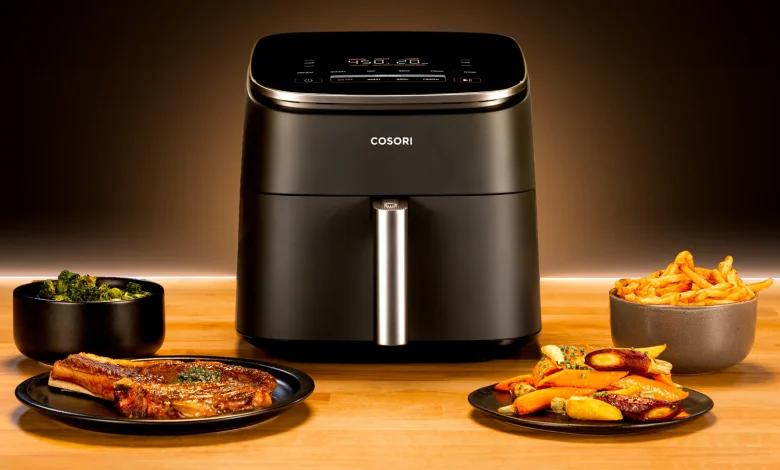
Best air fryer 2026 innovations have officially arrived, bringing unprecedented technological advancements to home kitchens across the globe. As consumers increasingly prioritize health, convenience, and culinary excellence, manufacturers have responded by developing appliances that completely surpass the capabilities of traditional convection ovens and early-generation fryers. The search for the ultimate countertop cooker is no longer just about finding a device that can crisp potatoes with minimal oil; it is about discovering a comprehensive culinary workstation. In this extensive news analysis, we delve deep into the mechanics, smart features, and comparative advantages of the market’s leading models. Whether you are a professional chef seeking a reliable secondary heating element or a busy parent looking for rapid dinner solutions, understanding the profound nuances of these highly advanced machines is crucial for upgrading your modern kitchen. This deep dive will uncover the very best machines capable of completely transforming the way you prepare daily meals.
The Evolution of Kitchen Countertop Technology
Over the past decade, the rapid evolution of kitchen countertop technology has been nothing short of miraculous. Early iterations of these devices were bulky, noisy, and often produced unevenly cooked meals that left much to be desired. However, the current landscape of culinary appliances tells a vastly different story. Today, the focus has shifted toward precision engineering, where aerodynamic airflow and intense thermal regulation work in perfect harmony. The leading devices utilize advanced rapid air technology that circulates superheated air at blistering speeds, ensuring that every square inch of the food receives consistent heat. This dramatic improvement in thermal dynamics means that modern devices can replicate the exact texture and flavor profile of deep-fried delicacies, yet they require up to ninety percent less oil. The sheer magnitude of this technological leap cannot be overstated. Health-conscious consumers are no longer forced to compromise on taste or texture. Instead, they can enjoy golden-brown french fries, perfectly seared chicken wings, and roasted vegetables that boast an impeccable crunch. Furthermore, manufacturers have begun incorporating aerospace-grade insulation materials into the exterior chassis of these machines, ensuring that they remain cool to the touch even during the most demanding cooking cycles. This focus on safety, combined with unparalleled cooking performance, has solidified their status as indispensable tools in the modern culinary arsenal.
Artificial Intelligence and Smart Sensor Integration
The integration of artificial intelligence and smart sensor technology represents a paradigm shift in how we interact with our kitchen appliances. We are no longer limited to simple manual dials and basic digital timers. The most elite models now feature sophisticated algorithms that actively monitor the internal cooking environment in real-time. These intelligent systems utilize an array of thermal and humidity sensors to detect the exact moisture content and surface temperature of the ingredients. By processing this data instantaneously, the machine can automatically adjust the wattage, airflow velocity, and cooking duration to achieve flawless results every single time. Imagine placing a frozen block of chicken breasts into the basket and simply pressing a button; the artificial intelligence identifies the optimal thawing protocol, seamlessly transitions into the cooking phase, and finally applies a high-heat sear to lock in the juices. This level of autonomy eliminates the guesswork typically associated with meal preparation. Furthermore, these smart appliances seamlessly integrate with comprehensive smart home ecosystems, allowing users to control their cooking sessions via voice commands or proprietary mobile applications. You can receive push notifications on your smartphone when it is time to shake the basket or when the meal is ready to be served. Some models even feature barcode scanners that instantly download customized cooking instructions from a vast cloud-based recipe database. The convergence of software and hardware has truly redefined the user experience, making high-end culinary results accessible to even the most inexperienced home cooks.
Capacity and Design: Single vs. Dual Basket Systems
When evaluating the premier appliances of the year, capacity and structural design play a pivotal role in the decision-making process. The market is currently divided into two dominant architectures: single-basket powerhouses and versatile dual-basket systems. Single-basket models have traditionally been the industry standard, offering a large, uninterrupted cooking chamber that is ideal for roasting whole chickens, baking large pizzas, or preparing family-sized portions of a single dish. These monolithic chambers excel at maximizing airflow and maintaining a uniform temperature gradient throughout the cooking process. Conversely, the rise of dual-basket systems has introduced an unprecedented level of multitasking capabilities to the kitchen countertop. These innovative machines feature two completely independent cooking zones, each with its own dedicated heating element and cyclonic fan. This revolutionary design allows users to simultaneously cook two entirely different dishes at varying temperatures and durations. For instance, you can roast delicate asparagus spears at a lower temperature in the left zone while simultaneously crisping robust potato wedges at maximum heat in the right zone. The most advanced dual-basket models also feature a proprietary synchronization technology that intelligently delays the start time of the faster-cooking item, ensuring that both zones finish precisely at the same moment. This synchronization eliminates the logistical nightmare of trying to coordinate multiple dishes, allowing you to serve a complete, piping hot meal without any cold side dishes. The choice between a single or dual-basket system ultimately depends on your specific culinary habits and the typical volume of food you prepare, but both architectures have seen massive improvements in capacity and spatial efficiency.
Comparative Analysis of Top Architecture
| Architecture Type | Average Capacity | Best Use Case | AI Capabilities | Price Range |
|---|---|---|---|---|
| Single Basket Pro | 6 to 8 Quarts | Large Roasts, Pizzas | Advanced Moisture Sensing | Premium |
| Dual Zone Sync | 8 to 10 Quarts | Multi-Course Meals, Sides | Independent Dual Processing | Ultra-Premium |
| French Door Oven | 12 to 25 Quarts | Baking, Dehydrating | Automated Recipe Scanners | Luxury |
| Compact Smart | 2 to 4 Quarts | Dorms, Single Servings | Basic Thermal Tracking | Budget to Mid-Range |
Material Science and Non-Toxic Coatings
An often-overlooked aspect of appliance evaluation is the material science behind the cooking surfaces. In previous years, traditional non-stick coatings, primarily utilizing Polytetrafluoroethylene (PTFE), dominated the market. However, growing concerns regarding the potential release of toxic fumes at extremely high temperatures have prompted a massive industry-wide shift toward safer, more durable alternatives. The current generation of premium appliances exclusively utilizes advanced ceramic coatings that are entirely free from perfluorooctanoic acid (PFOA), PTFE, and other potentially harmful chemical compounds. These medical-grade ceramic surfaces are not only safer for human health and the environment, but they also offer superior resistance to scratching, peeling, and thermal degradation. The inherent slickness of the ceramic matrix ensures that even the most stubborn, sticky marinades slide off effortlessly during the cleaning process. Moreover, the underlying metal construction of the baskets has transitioned from cheap aluminum to high-gauge stainless steel, which significantly improves heat retention and distribution. This robust construction guarantees that the appliance will withstand years of rigorous daily use without warping or losing its structural integrity. The commitment to premium, non-toxic materials is a defining characteristic of the year’s best offerings, reflecting a broader consumer demand for products that prioritize health, longevity, and sustainable manufacturing practices.
Energy Efficiency and Environmental Impact
In an era where global energy costs are soaring and environmental sustainability is a paramount concern, the energy efficiency of kitchen appliances has come under intense scrutiny. Fortunately, the latest advancements in thermal engineering have resulted in devices that are incredibly eco-friendly compared to their traditional counterparts. A conventional full-sized electric oven requires a massive amount of electrical energy to preheat its vast internal cavity, often taking up to twenty minutes just to reach the desired temperature. In stark contrast, these modern countertop marvels utilize concentrated heating elements and highly efficient aerodynamic chambers that require virtually zero preheating time. They reach their optimal cooking temperatures in a matter of seconds, dramatically reducing the overall cooking duration and, consequently, the total energy consumption. Independent testing has demonstrated that utilizing these compact devices can slash energy usage by up to sixty percent when preparing small to medium-sized meals. Furthermore, many of the top-tier manufacturers are now securing certifications from renowned environmental organizations, such as the Energy Star program, to validate their claims of superior energy conservation. This reduction in electrical draw not only lowers monthly utility bills but also contributes to a significantly smaller carbon footprint, making these modern kitchen appliances an environmentally responsible choice for the eco-conscious consumer who refuses to sacrifice high-quality cooking performance.
Comprehensive Maintenance and Longevity
The true value of a premium kitchen appliance is measured not only by its cooking performance but also by its ease of maintenance and overall longevity. Manufacturers have finally acknowledged that a device that is frustrating to clean will ultimately be relegated to the back of a dark cupboard. Consequently, the emphasis on user-friendly maintenance protocols has never been stronger in the industry. The integration of dishwasher-safe components is now a universal standard among high-end models, with crisper plates, heavy-duty baskets, and roasting racks specifically engineered to withstand the harsh, corrosive detergents and intense heat of modern dishwashers. For those who prefer hand-washing, the aforementioned ceramic non-stick coatings make manual cleaning a breeze, requiring nothing more than a soft non-abrasive sponge and mild soapy water. Additionally, the internal heating chambers are now designed with sophisticated protective shields that effectively prevent heavy grease splatter from reaching the delicate heating coils and exhaust fans. This crucial design improvement significantly mitigates the risk of toxic smoke production and substantially extends the operational lifespan of the critical internal components. Some flagship models even feature automated self-cleaning cycles, utilizing extreme pressurized steam to loosen baked-on residue before prompting the user to simply wipe it away with a damp microfiber cloth. By heavily prioritizing effortless maintenance and robust build quality, brands are ensuring that their products remain reliable and highly hygienic workhorses in the kitchen for many years to come.
Breakthroughs in Noise Reduction Technology
Historically, one of the most common and persistent complaints regarding high-speed convection devices was the highly intrusive noise generated by the powerful cyclonic fans. In an open-concept living space, a loud appliance can easily disrupt family conversations, television viewing, or peaceful relaxation. Recognizing this significant consumer pain point, top-tier audio engineers have been brought in to completely redesign the airflow pathways and fan blade aerodynamics. The latest acoustic dampening technologies involve utilizing premium brushless DC motors that operate with a fraction of the vibration and noise of traditional alternating current motors. Additionally, internal sound baffles and multi-layered exterior acoustic insulation work collaboratively to actively absorb and muffle high-frequency sound waves. The brilliant result is a whisper-quiet operation that barely registers above the ambient background noise of a typical home environment. You can now prepare a late-night midnight snack or a sophisticated dinner without sounding like a commercial jet airplane taking off in your kitchen. This subtle yet profoundly impactful enhancement dramatically improves the overall user experience, cementing these modern appliances as highly sophisticated and wonderfully unobtrusive additions to any culinary environment.
The Future of Culinary Excellence
As we look forward toward the expansive horizon, the trajectory of culinary appliance technology remains incredibly exciting and full of boundless potential. The phenomenally capable devices that define the current year are merely vital stepping stones toward an even more interconnected, fully automated future. We are already witnessing the fascinating nascent stages of augmented reality integration, where dedicated users can wear smart glasses that overlay highly detailed, step-by-step visual cooking instructions directly onto the physical appliance. Furthermore, groundbreaking advancements in solid-state heating technology promise to completely eliminate the need for traditional metal heating coils, utilizing perfectly focused electromagnetic waves to safely cook food with pinpoint accuracy at the microscopic molecular level. These breathtaking future innovations will undoubtedly continue to democratize gourmet cooking, deeply empowering individuals of absolutely all skill levels to consistently produce flawless, restaurant-quality meals within the comforting confines of their own homes. The beautiful journey of culinary evolution is an ongoing, dynamic process, and the remarkably advanced machines available to consumers today stand as glorious testaments to boundless human ingenuity and the relentless, passionate pursuit of absolute perfection in the modern kitchen.