Baltic Hub Under Attack: Logistics Crisis and Worker Impact
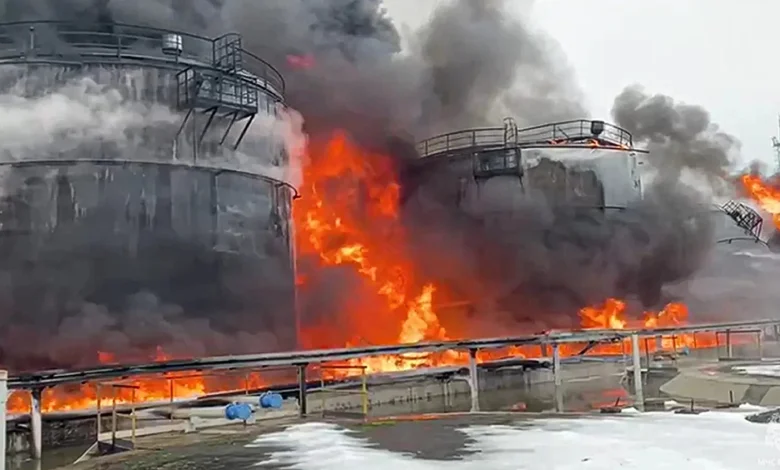
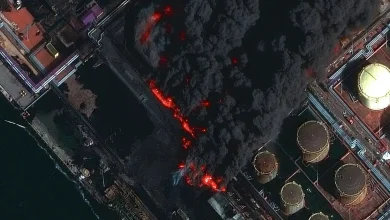
Baltic port facilities and maritime infrastructure are currently experiencing unprecedented volatility as a key logistics hub on the Baltic Sea has been under attack for several consecutive days. Emerging footage, which has rapidly circulated across international security networks, paints a chaotic picture of the situation on the ground. In one of the most striking videos, distressed workers are seen stranded outside the perimeter, clearly unable to safely get to their shift. This disruption represents far more than an isolated security incident; it signifies a critical vulnerability in the regional supply chain that handles billions of dollars in international freight, energy commodities, and industrial raw materials. As authorities scramble to secure the perimeter and extinguish fires resulting from the unidentified aerial strikes, global commodity markets are already beginning to price in the anticipated delays. The uninterrupted flow of goods through this specific Baltic node is essential not just for the immediate local economy, but for the broader European industrial base that relies on predictable, just-in-time delivery systems. This article delves deep into the immediate operational fallout, the geopolitical context surrounding these persistent attacks, and the long-term economic ramifications for global shipping and supply chain integrity.
The Ongoing Siege on Key Baltic Infrastructure
The unprecedented sequence of events at this pivotal maritime node marks a severe escalation in regional hostilities, transforming a bustling commercial epicenter into a heavily contested zone. For nearly a week, sirens have wailed across the coastal industrial complexes as consecutive waves of precision attacks have targeted critical operational sectors of the port. The scale and coordination of these strikes suggest a highly sophisticated effort designed to paralyze operations rather than merely cause superficial damage. Security analysts studying the incident point to the systematic dismantling of the hub’s functional capabilities, from its automated crane systems to its extensive network of liquid bulk storage tanks. The relentless nature of the assault has left local emergency response teams stretched to their absolute limits, unable to fully contain the damage before the next wave of disruptions occurs. This compounding destruction creates a logistical nightmare, effectively severing one of the most critical maritime arteries connecting Northern Europe to global markets.
Drone Strikes and Industrial Sabotage Escalation
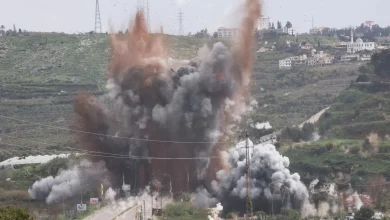
Initial forensic assessments and verified video evidence suggest that a combination of long-range unmanned aerial vehicles (UAVs) and coordinated ground-level sabotage efforts are responsible for the ongoing paralysis of the facility. The drones, flying at remarkably low altitudes to evade traditional radar detection systems, have systematically bypassed the hub’s localized air defense measures. These strikes have predominantly focused on the most fragile nodes of the logistics network: the power substations, the central command and control towers overseeing automated container sorting, and the highly volatile petrochemical storage farms. The precision of these attacks indicates that the perpetrators possess intimate, highly detailed knowledge of the port’s internal layout and operational vulnerabilities. Such industrial sabotage goes beyond immediate physical destruction; it introduces long-term systemic inefficiencies that will take months, if not years, to fully rectify.
Shift Workers Trapped: The Human Cost of Port Attacks
Beyond the staggering financial and structural damage, the human element of this crisis remains deeply concerning. Viral footage from the outskirts of the logistics hub showcases hundreds of workers—crane operators, customs officials, truck drivers, and administrative staff—who are completely immobilized, unable to reach their designated stations. These individuals, attempting to get to their shift amidst the chaos, find themselves trapped behind rapidly erected security cordons and blazing infrastructure. The psychological toll on the local workforce is profound, as the safety of their workplace has been violently compromised. Furthermore, the inability of these workers to access the site guarantees that even the undamaged sections of the port remain entirely non-operational. Labor unions and human rights observers are currently petitioning for the immediate evacuation of all non-essential personnel from the broader industrial zone, emphasizing that civilian workers must not be treated as acceptable collateral damage in geopolitical disputes.
Economic Ramifications of the Baltic Terminal Disruption
The sudden and violent removal of this key Baltic terminal from the global maritime network is sending shockwaves throughout the international economic landscape. Ports in this specific maritime corridor are historically known for their high-volume throughput, processing everything from raw agricultural exports to advanced technological components. When a hub of this magnitude goes offline for several consecutive days, the backlog of inbound and outbound vessels grows exponentially. Shipping conglomerates are now being forced to reroute their massive cargo fleets, resulting in extended transit times, massive surges in fuel consumption, and spiraling operational costs. These unexpected hurdles act as a powerful catalyst for inflation, as the increased cost of freight transportation is inevitably passed down to the end consumer.
Global Supply Chain Vulnerabilities Exposed
The consecutive attacks have starkly illuminated the fragility of modern, highly optimized global supply chains. In an era where corporations rely heavily on predictive analytics and just-in-time inventory models, a sudden disruption at a major maritime chokepoint forces a complete recalculation of production schedules across multiple continents. Manufacturers relying on raw materials transiting through the Baltic are now facing imminent assembly line shutdowns. To mitigate these risks, industry leaders are increasingly analyzing global market shifts to predict where the next logistical bottleneck might occur. The cascading failure triggered by this single hub’s incapacitation is a grim reminder that despite technological advancements, the physical movement of goods remains heavily dependent on the unhindered operation of a few, highly concentrated geographical pinch points.
Energy and Freight Halts in the Region
Perhaps the most alarming consequence of the ongoing attacks is the complete cessation of energy commodity exports originating from the affected terminal. The Baltic region serves as a vital conduit for natural gas, crude oil, and refined petroleum products destined for broader European markets. The deliberate targeting of the port’s liquid bulk storage facilities has forced maritime authorities to declare a state of force majeure, halting all outgoing energy freight. This sudden supply shock is causing regional spot prices for heating oil and natural gas to spike dramatically, creating an economic environment reminiscent of a severe economic impact seen during major global crises. European utility providers, already navigating a complex transition to renewable energy sources, are now scrambling to secure alternative fossil fuel contracts at a massive premium to prevent winter shortages.
| Day of Escalation | Infrastructure Targeted | Estimated Cargo Delay (TEU/Tons) | Operational Status |
|---|---|---|---|
| Day 1 | Primary Fuel Storage Terminals | 450,000 Tons | Completely Halted |
| Day 2 | Automated Crane Systems & Rail Hubs | 12,000 TEU | Access Restricted |
| Day 3 | Power Substations & Security Cordons | System-wide Freeze | Lockdown (Workers Trapped) |
| Day 4 | Secondary Logistics Warehouses | Mounting Backlog | Evacuation Protocols Initiated |
Geopolitical Context: Why This Baltic Port?
Understanding the severity of this sustained assault requires a deep dive into the underlying geopolitical currents that dominate the Baltic Sea region. The specific logistics hub currently under siege is not merely a commercial enterprise; it is a critical asset of national and strategic importance. The Baltic Sea has long served as a highly contested maritime theater, bordering numerous sovereign nations with complex, often antagonistic historical relationships. The port’s geographical positioning allows it to project economic influence deep into neighboring territories, making it a prime target for state-sponsored actors seeking to exert asymmetric pressure. By crippling this facility, the attackers effectively diminish the host nation’s ability to generate foreign export revenue while simultaneously demonstrating their capacity to strike deep into supposedly secure economic heartlands.
Strategic Importance of the Northern Shipping Routes
The northern shipping routes facilitated by this Baltic hub are indispensable for maintaining the economic equilibrium of the entire hemisphere. Unlike southern maritime corridors, which are frequently subject to severe weather disruptions and piracy, the Baltic routes offer a relatively stable, albeit geopolitically tense, pathway to lucrative European and Atlantic markets. The ongoing attacks jeopardize the viability of these northern routes, forcing global maritime regulatory bodies to reassess their designated safe transit zones. Furthermore, as major retail conglomerates strive to maintain their global retail dominance, the uninterrupted flow of consumer goods through these northern arteries is absolutely essential. The sudden insecurity of the Baltic corridor threatens to upend decades of established trade agreements and maritime navigation norms.
Military Implications for Regional Security
The persistent nature of these drone strikes and industrial sabotage operations carries profound military implications for the entire Baltic basin. The inability of localized air defense systems to thwart the ongoing assault exposes alarming gaps in critical infrastructure protection protocols. Neighboring nations, witnessing the rapid degradation of a heavily fortified civilian logistics hub, are now urgently escalating their own defensive postures. Naval patrols have been significantly increased, and governments are aggressively expanding their anti-drone electronic warfare capabilities. Furthermore, international defense analysts are closely monitoring the situation to determine if this localized conflict will trigger mutual defense treaty obligations, potentially spiraling into a broader, conventional military confrontation that would entirely consume the region. In understanding the broader implications, one can consult insights from global defense and maritime experts at Reuters for continuous updates on regional defense shifts.
Assessing the Market Impact and Trade Diversion
As the smoke continues to rise over the paralyzed Baltic terminal, the global financial markets are reacting with intense volatility. Insurance underwriters specializing in maritime freight are frantically recalculating risk premiums for vessels scheduled to transit anywhere near the contested zone. Shipping companies are actively diverting their fleets to alternative, smaller ports along the coastline, but these secondary facilities lack the deep-water drafts, heavy-lift cranes, and extensive rail connections required to handle the sudden influx of diverted cargo. This logistical bottleneck is resulting in massive inefficiencies, exponentially increasing the demurrage charges incurred by cargo owners whose goods are sitting idle on anchored vessels.
Alternative Logistics Pathways
In response to the unprecedented disruption, supply chain architects are racing to design and implement alternative logistics pathways. This involves shifting freight from maritime transit to overland rail and heavy transport networks, albeit at a significantly higher cost per ton-mile. The crisis has accelerated the need for a comprehensive delivery revolution, prompting logistics firms to integrate advanced artificial intelligence routing algorithms to navigate the sudden closure of the Baltic hub. By dynamically rerouting cargo through unaffected border crossings and leveraging real-time satellite tracking, some forward-thinking logistics providers are managing to mitigate the worst of the delays. However, the sheer volume of trade displaced by the port attacks means that land-based alternatives will remain heavily congested for the foreseeable future.
Insurance Premiums and Maritime Freight Rates
The financial fallout within the maritime insurance sector is perhaps the most immediate and quantifiable metric of the crisis. Protection and Indemnity (P&I) clubs, which provide liability coverage for the global shipping industry, have declared the waters surrounding the targeted Baltic hub as highly hazardous war-risk zones. Consequently, vessels attempting to service the broader region are being subjected to exorbitant supplementary insurance premiums. These inflated costs are immediately reflected in the surging spot rates for bulk carriers and container ships. Economists warn that if the attacks continue to persist and the key logistics hub remains offline, the resultant spike in global freight rates could severely derail ongoing economic recovery efforts, triggering a prolonged period of stagflation across import-dependent European economies. The situation demands intense international mediation to stabilize the region and restore the critical flow of maritime commerce before the damage becomes entirely irreversible.