Artemis II Lunar Mission Crew Breaks Historic Space Barriers
Artemis II represents the monumental next step in human space exploration, shattering boundaries and setting new precedents for diversity and international cooperation in aerospace history. For the first time since the end of the Apollo program in 1972, humanity is returning to the lunar environment. However, this mission is fundamentally different from those of the past. The crew manifest for this historic voyage introduces an unprecedented level of diversity, featuring the first woman, the first Black person, and the first non-American astronaut to ever venture into deep space. This flight is not merely a repetition of Apollo 8; it is a foundational proving ground for the systems, protocols, and human endurance required to establish a permanent presence on the Moon and eventually send humans to Mars.
The Historic Announcement of the Artemis II Crew
The unveiling of the crew manifest was a watershed moment for the global space community. Moving beyond the low-Earth orbit (LEO) constraints that have defined human spaceflight for over five decades, this mission serves as the critical bridge between uncrewed testing and long-term lunar surface habitation. By selecting a crew that reflects the diverse makeup of humanity, the space agency is sending a powerful message that the cosmos belongs to everyone. The transition from the Apollo generation—characterized by extraordinary bravery but limited demographic representation—to the Artemis generation signifies a paradigm shift in how we approach the exploration of the cosmos. During the Apollo era, the astronaut corps was exclusively male and predominantly white military test pilots. Today, the rigorous selection process emphasizes not only supreme technical competence and physiological resilience but also collaborative teamwork across different cultures and backgrounds. This holistic approach to team building is essential for the psychological rigors of deep space travel, where isolation and confinement demand exceptional interpersonal dynamics.
Meet the Artemis II Crew Members
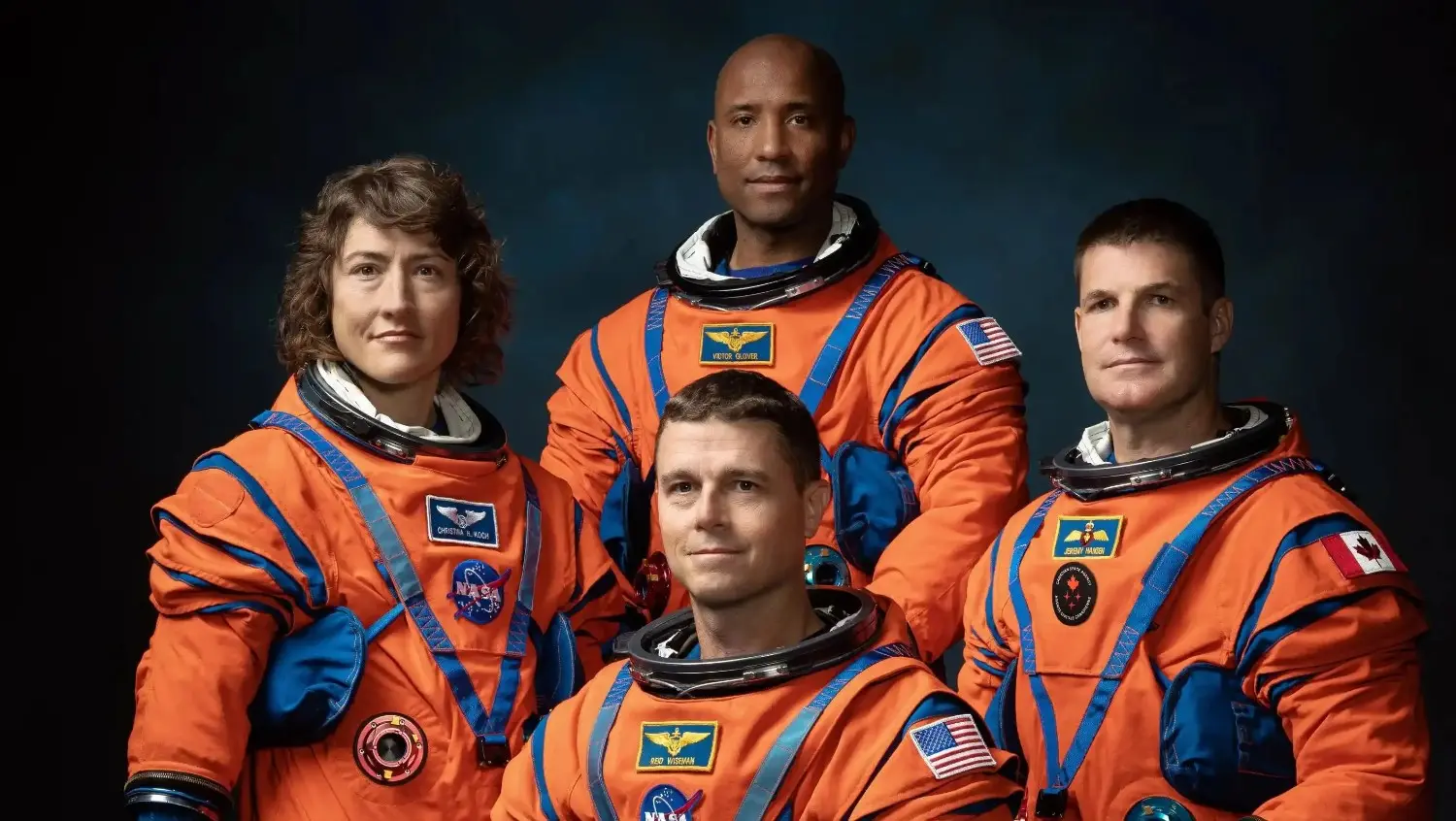
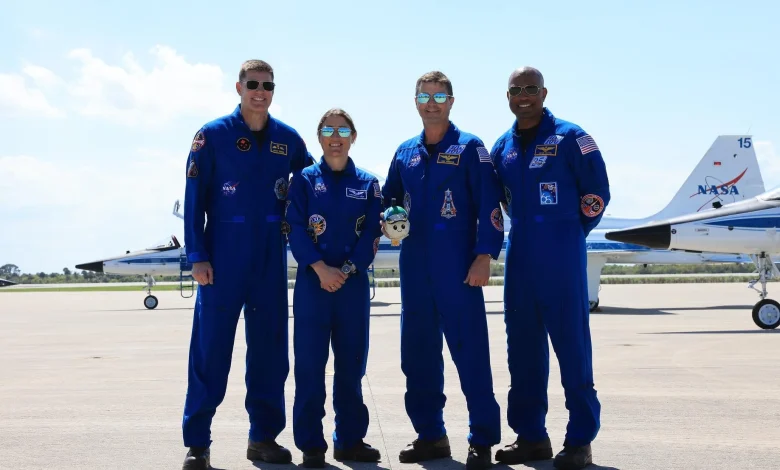
The four individuals selected for this ten-day journey around the Moon bring unparalleled expertise, bravery, and unique perspectives to the mission. Their collective resumes encompass thousands of hours in high-performance aircraft, extensive experience aboard the International Space Station (ISS), and groundbreaking achievements in engineering and science.
Christina Koch: The First Woman
Serving as Mission Specialist 1, Christina Koch is poised to make history as the first woman to travel beyond low-Earth orbit and enter the lunar environment. An electrical engineer by trade, Koch previously set the record for the longest single continuous spaceflight by a woman, spending 328 days aboard the ISS. During her tenure, she also participated in the first all-female spacewalk, a milestone that cemented her legacy in orbital operations. Her profound understanding of complex electrical systems, combined with her extensive experience in microgravity, makes her an invaluable asset for monitoring the Orion spacecraft’s vital life support and navigation systems during the critical translunar injection phase.
Victor Glover: The First Black Astronaut
Navigating the Orion spacecraft as its Pilot is Victor Glover, who will become the first Black person to travel to the Moon. A highly decorated Navy aviator and test pilot, Glover has logged over 3,000 flight hours in more than 40 different aircraft. He previously served as the pilot for the Crew-1 mission, the first operational flight of the SpaceX Crew Dragon spacecraft to the ISS. Glover’s role is critical; he will be responsible for executing manual flight maneuvers, assessing the spacecraft’s handling characteristics, and ensuring the hardware responds accurately to human inputs after separation from the Space Launch System (SLS) upper stage. His pioneering journey serves as an immense inspiration, breaking a longstanding racial barrier in deep space exploration.
Jeremy Hansen: The First Non-American Astronaut
Mission Specialist 2 is Jeremy Hansen, representing the Canadian Space Agency (CSA). Hansen’s inclusion makes him the first non-American ever assigned to a lunar mission, highlighting the deeply collaborative nature of the Artemis program. A former fighter pilot in the Royal Canadian Air Force, Hansen brings exceptional leadership and operational skills. Canada’s contribution of the Canadarm3 to the future lunar Gateway space station secured this coveted seat, demonstrating how international partnerships are crucial for sharing the financial and technological burdens of deep space exploration. Hansen’s role will focus heavily on mission planning, executing scientific payloads, and monitoring orbital mechanics throughout the free-return trajectory.
Reid Wiseman: Mission Commander
Commanding the mission is Reid Wiseman, a seasoned astronaut and former Chief of the Astronaut Office. Wiseman’s leadership will be the linchpin of the mission’s success. With previous experience living and working aboard the ISS, Wiseman possesses an intimate understanding of spaceflight operations and crew psychology. As Commander, he holds the ultimate responsibility for the safety of the crew and the execution of the mission objectives. His calm demeanor under pressure and extensive background in aerospace engineering will be vital as the crew tests the limits of the Orion spacecraft in the harsh radiation environment of deep space.
| Astronaut Name | Mission Role | Space Agency | Historic Milestone |
|---|---|---|---|
| Reid Wiseman | Commander | United States | Mission Leadership |
| Victor Glover | Pilot | United States | First Black Person to Lunar Environment |
| Christina Koch | Mission Specialist 1 | United States | First Woman to Lunar Environment |
| Jeremy Hansen | Mission Specialist 2 | Canada (CSA) | First Non-American to Lunar Environment |
Mission Architecture and Lunar Trajectory
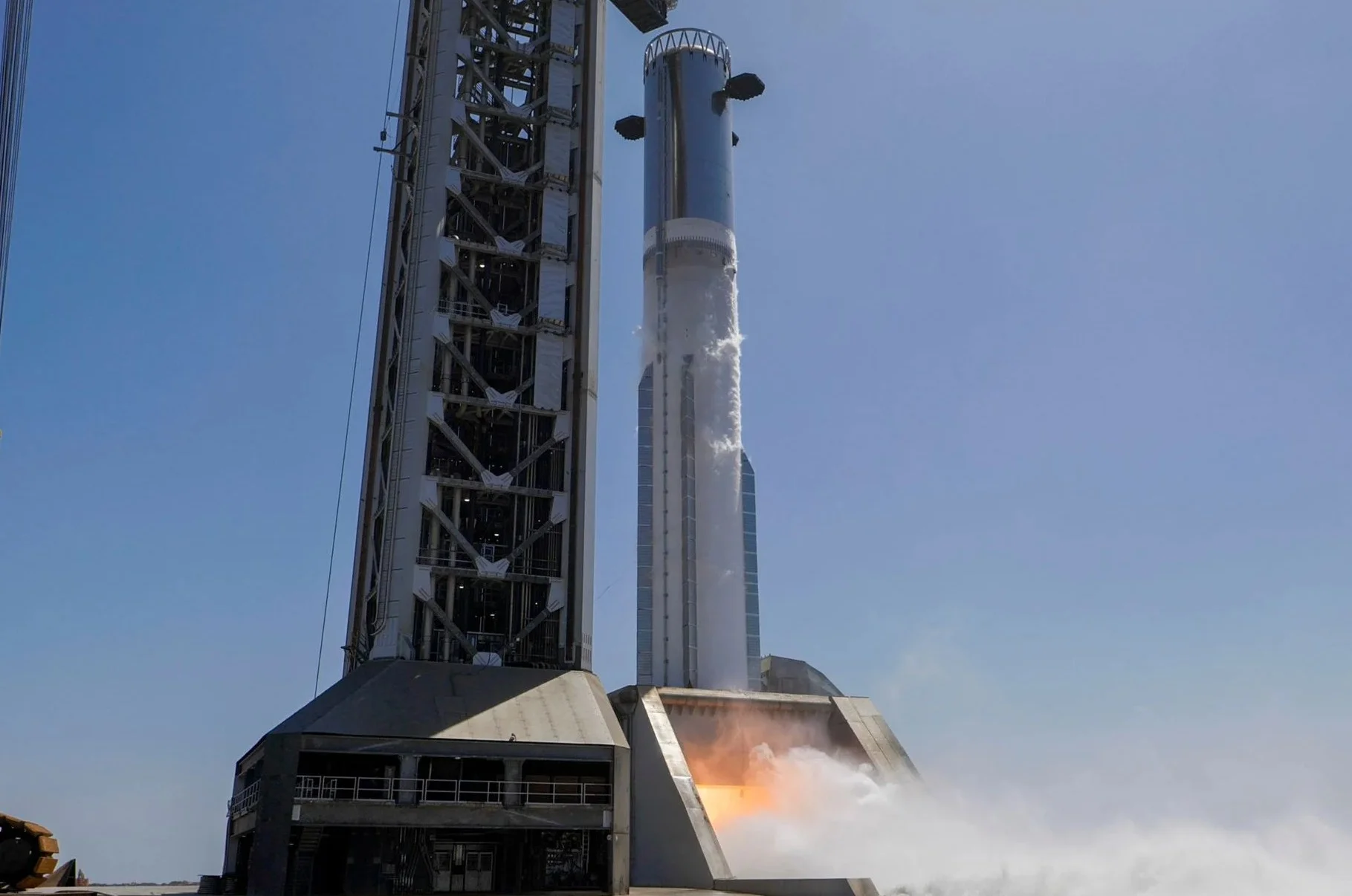
The mission architecture is a marvel of modern engineering, relying on the immense power of the Space Launch System (SLS) rocket and the advanced capabilities of the Orion spacecraft. Unlike a lunar landing mission, this flight will utilize a hybrid free-return trajectory. After launching from the historic Pad 39B at the Kennedy Space Center, the SLS will place the Orion spacecraft into a high Earth orbit. Here, the crew will spend approximately 24 hours testing the environmental control and life support systems, ensuring everything functions perfectly before committing to the translunar journey. Once system integrity is verified, the Interim Cryogenic Propulsion Stage (ICPS) will fire, executing the translunar injection (TLI) burn. This maneuver will propel the crew toward the Moon at speeds exceeding 24,000 miles per hour. The spacecraft will travel approximately 4,600 miles beyond the far side of the Moon, further than any human has traveled since Apollo 13. The free-return trajectory uses the Moon’s gravitational pull to slingshot the spacecraft back toward Earth without the need for main engine propulsion, significantly reducing mission risk. During the 10-day voyage, the crew will monitor systems, conduct physiological experiments, and perform crucial optical navigation tests using Earth and the Moon as reference points.
Technological Innovations in Modern Spaceflight
The hardware and software powering this mission are lightyears ahead of the Apollo era. Inside the Orion capsule, the crew will interact with state-of-the-art glass cockpit displays and advanced fly-by-wire controls. To manage the immense data required for deep space navigation and systems diagnostics, the mission heavily relies on advanced computing. As seen in recent developments regarding advanced AI infrastructure, machine learning algorithms are increasingly being integrated into ground control systems to predict telemetry anomalies before they pose a risk to the crew. Furthermore, astronaut training on Earth has incorporated augmented reality, akin to the advancements discussed in modern smart glasses trends, allowing the crew to visualize complex maintenance procedures and spacecraft schematics in real-time holographic overlays. These technological leaps ensure that the crew can operate autonomously if communication with Mission Control is temporarily severed while traversing the dark side of the Moon.
International Cooperation and The Space Agency Role
The inclusion of a Canadian astronaut underscores a fundamental pillar of the Artemis program: international cooperation. Governed by the Artemis Accords, a series of bilateral agreements outlining responsible and peaceful space exploration, this mission sets a precedent for global unity in off-world environments. The European Space Agency (ESA) also plays a critical role, providing the European Service Module (ESM) which supplies the Orion capsule with electricity, propulsion, thermal control, air, and water. This deep integration of international hardware and personnel means that the success of the mission is a shared global triumph. By distributing the technological and financial demands across multiple nations, the program builds a sustainable framework for continuous lunar exploration, moving away from the competitive space race mentality of the Cold War era toward a unified scientific endeavor. You can learn more about the specific mission parameters and updates at NASA’s official Artemis II mission page.
Space Medicine and Astronaut Health Monitoring
Venturing beyond the protective magnetic shield of the Earth exposes the human body to significant hazards, primarily galactic cosmic radiation and solar particle events. To mitigate these risks, the Orion spacecraft features a specialized radiation shelter where the crew can retreat during intense solar storms. Additionally, the mission serves as a critical testbed for advanced space medicine. Continuous physiological monitoring is essential. The crew will utilize cutting-edge bio-monitors, similar to the technology found in modern AI wearable rings, to track heart rate variability, oxygen saturation, and sleep cycles in the high-stress environment of deep space. Furthermore, researchers are exploring non-invasive therapies to mitigate muscle atrophy and bone density loss in microgravity, drawing parallels to terrestrial breakthroughs in electric medicine and rapid recovery therapies. The medical data collected during these ten days will be vital for designing life support and health maintenance protocols for multi-year missions to Mars.
Future Implications for Artemis III and Mars
While the current mission is a flyby, it is the indispensable prerequisite for Artemis III, which aims to return humans to the lunar surface. Every maneuver executed, every life support parameter monitored, and every communication link tested during this flight will directly inform the procedures for the actual landing. Successfully validating the Orion spacecraft’s performance and the deep space network’s reliability paves the way for the deployment of the lunar Gateway, an orbital outpost that will serve as a staging area for surface missions. Ultimately, the lessons learned from integrating a diverse crew into a highly complex technological environment will serve as the blueprint for the first crewed mission to Mars. By demonstrating that humanity can safely traverse the cislunar space with a crew that represents the global population, the space agency is laying the groundwork for a multi-planetary future.
Conclusion: A New Era of Human Space Exploration
Artemis II is far more than a technological demonstration; it is a profound cultural milestone. By sending the first woman, the first Black person, and the first non-American astronaut to the lunar environment, the mission redefines the face of space exploration. It honors the legacy of past pioneers while boldly expanding the horizon of who gets to participate in humanity’s greatest adventures. As the crew prepares for their historic ten-day voyage around the Moon, they carry with them the aspirations of a unified planet. This mission proves that when diverse minds and international partners collaborate toward a shared vision, the stars themselves become within our reach, setting a spectacular stage for the permanent settlement of the Moon and the eventual journey to the Red Planet.