Australian Open 2026: Live Quarterfinal Updates, History, and Ultimate Melbourne Park Guide
Executive Insights
- Ongoing 2026 Results: Carlos Alcaraz and Alexander Zverev have reached the semifinals; Coco Gauff was upset by Elina Svitolina in the quarterfinals.
- Dates: The 2026 Main Draw runs from January 18 to February 1.
- Heatwave: The 2026 tournament has faced extreme temperatures (45°C), triggering the heat policy.
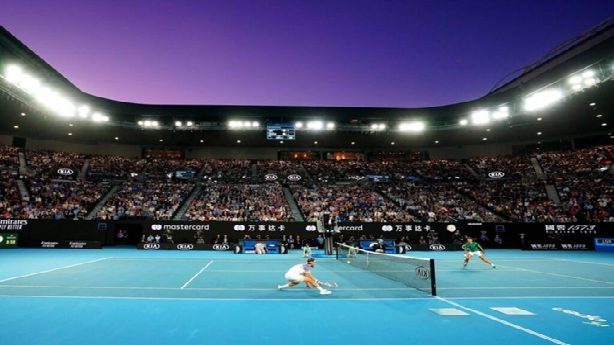
- Venue: Held at Melbourne Park on GreenSet hard courts; features three roofed arenas (Rod Laver, Margaret Court, John Cain).
- Tickets: Ground passes offer the best value for week one; stadium tickets are essential for marquee matchups and finals.
This comprehensive guide covers the live 2026 narrative, historical records, venue insights, and essential travel tips for fans planning a pilgrimage to the “Happy Slam.”
🎾 Australian Open 2026: Live Tournament Status
Date: January 27, 2026
Stage: Quarterfinals
Weather: Extreme Heat Policy in effect (45°C peak)
Men’s Singles: The Clash of Titans
The 2026 quarterfinals have produced high drama. Carlos Alcaraz (ESP) continues his quest for a Career Grand Slam. In a masterful performance on Rod Laver Arena, Alcaraz dismantled home favorite Alex de Minaur 7-5, 6-2, 6-1, silencing the partisan crowd with a display of power and touch. He is now set for a blockbuster semifinal clash against Alexander Zverev.
Zverev (GER) survived a scare against the tournament’s breakout star, 20-year-old American Learner Tien. Tien, who became the youngest American quarterfinalist since Andy Roddick, pushed Zverev to four grueling sets before the German’s serve prevailed 6-3, 6-7, 6-1, 7-6.
Women’s Singles: Shocks and Resilience
The women’s draw has seen a major upset. Third seed Coco Gauff (USA) was ousted by a resurgent Elina Svitolina (UKR), who played aggressive, flawless tennis to win 6-1, 6-2. Meanwhile, Aryna Sabalenka remains a formidable force, advancing comfortably as she looks to reclaim the title she lost to Madison Keys in the 2025 final.
History & Evolution of the Australian Open
Established in 1905 as the Australasian Championships, the tournament has evolved from a remote grass-court event to a global hard-court powerhouse. It is the youngest of the four Grand Slams in terms of its current venue and surface identity but often voted the players’ favorite due to its modern facilities and relaxed Aussie atmosphere.
Surface Evolution
| Era | Surface Type | Characteristics |
|---|---|---|
| 1905–1987 | Grass | Original surface (Kooyong Lawn Tennis Club). Fast, low bounce. |
| 1988–2007 | Rebound Ace | Green rubberized hard court. Sticky in heat, high bounce. |
| 2008–2019 | Plexicushion | Signature “AO Blue”. Medium-fast pace, more consistent. |
| 2020–Present | GreenSet | Current blue hard court. Maintains the speed and look of Plexicushion. |
Key Records & Champions
The “King of Melbourne” remains Novak Djokovic, whose 10 titles (2008–2023) set an almost unbreakable benchmark for dominance on the hard courts. In the women’s game, Margaret Court holds the all-time record with 11 titles (mixed amateur/open era), while Serena Williams holds the Open Era record with 7.
- Most Men’s Singles Titles: Novak Djokovic (10)
- Most Women’s Singles Titles (Open Era): Serena Williams (7)
- Youngest Winner: Martina Hingis (16 years, 4 months in 1997)
- Oldest Winner: Ken Rosewall (37 years in 1972)
- 2025 Defending Champions: Jannik Sinner (Men’s), Madison Keys (Women’s)
Melbourne Park: The Venue
Melbourne Park is unique among Slams for its proximity to the city center—just a 10-minute walk or tram ride from the CBD. The precinct connects the vibrant city life with world-class sporting infrastructure.
The Three Main Arenas
- Rod Laver Arena (RLA): The 15,000-seat center court. Hosts the biggest matches, including all finals. Named after the only player to win the calendar Grand Slam twice.
- Margaret Court Arena (MCA): Intimate 7,500-seat stadium with a retractable roof. Known for great acoustics and intense atmosphere.
- John Cain Arena (JCA): The “People’s Court”. Accessible to ground pass holders for many matches (though reserved seating applies for big games). Known for raucous support, especially for Aussie players like Nick Kyrgios or Alex de Minaur.
Fan Zones
Grand Slam Oval offers a festival vibe with live music, food trucks, and big screens. The newly expanded “Village” near Kia Arena allows fans to watch practice sessions up close, often seeing top seeds like Alcaraz or Sabalenka fine-tuning their game.
Travel & Ticket Guide for Fans
Getting There
Melbourne’s public transport is seamless during the Open. All Australian Open ticket holders typically receive free tram travel on the Route 70 and Route 70a trams, which shuttle fans from Flinders Street Station directly to the entrances (Stops 7A, 7B, 7C).
Ticket Types Explained
- Ground Pass ($29–$59 AUD): The best value. Grants access to all outside courts, the fan zones, and unreserved seating in John Cain Arena and Kia Arena. Perfect for the first week (Days 1–7).
- Stadium Tickets (RLA/MCA): Required for guaranteed seats on the main courts. Prices escalate sharply for the finals weekend.
- Twilight Sessions: Night session tickets (starting 7:00 PM) are distinct from day passes. They feature the marquee matches and the electric night atmosphere Melbourne is famous for.
Pro Tip: The “Middle Weekend”
If you can’t afford the finals, aim for the Middle Saturday or Sunday. You get third/fourth-round matches (often high stakes) and the ground atmosphere is at its peak with maximum crowds and entertainment.
In-Depth Q&A
Q: When is the Australian Open 2026 finals?
The Australian Open 2026 finals are scheduled for the weekend of January 31 and February 1, 2026. The Women’s Singles Final typically takes place on Saturday night, and the Men’s Singles Final on Sunday night.
Q: Who are the defending champions for the 2026 tournament?
The defending champions entering the 2026 tournament were Jannik Sinner (Men’s Singles, who won in 2024 and 2025) and Madison Keys (Women’s Singles, who won the 2025 title).
Q: Does Melbourne Park have a roof for rain or heat?
Yes, Melbourne Park is the only Grand Slam venue with three retractable roof stadiums: Rod Laver Arena, Margaret Court Arena, and John Cain Arena. This allows play to continue during rain or the Extreme Heat Policy.
Q: What is the Australian Open heat policy?
The AO Heat Stress Scale (1 to 5) dictates play. At level 5, play is suspended on outside courts, and roofs are closed on the main arenas. This was triggered multiple times during the 2026 heatwave.
Q: How do I get to the Australian Open?
The easiest way is via Tram Route 70 from Flinders Street Station. Trams are free for ticket holders and drop you directly at the Melbourne Park entrances.