U.S. economic shockwaves: Oil hits $100 as new tariffs arrive
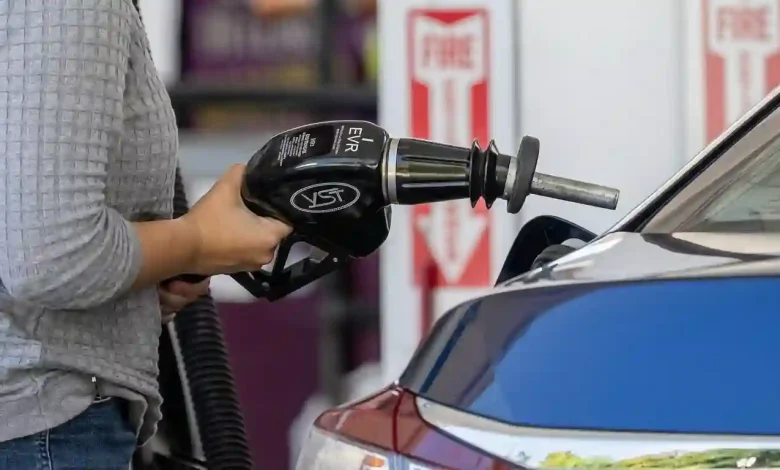
Table of Contents
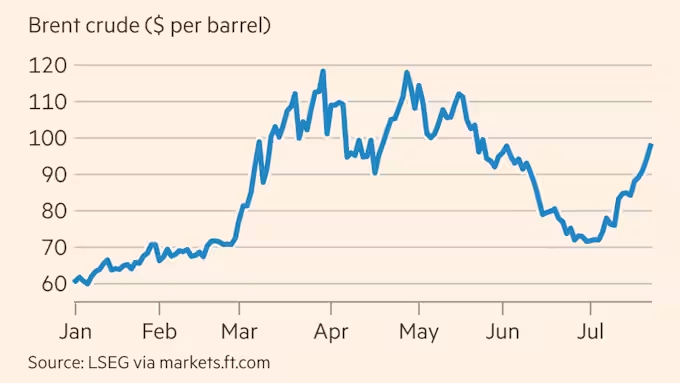
U.S. economic shockwaves have returned with full force, shattering the brief summer reprieve that American families and businesses had enjoyed only a few short weeks ago. At the start of July, the U.S. economy seemed to be catching a welcomed summer break. The ongoing war with Iran appeared to be waning under the influence of fragile regional agreements, and global energy markets had finally begun to calm. Prices at the gas pump were steadily falling, and across the broader economy, indicators suggested that inflation was cooling. It was a reprieve that offered hope to millions of households who had spent more than a year weathering successive market disruptions. This period of economic relief was particularly crucial given the compounding shocks that began with the Trump administration’s aggressive global trade policies. However, the respite proved short-lived. This week, the sudden reigniting of hostilities in the Middle East plunged energy markets back into severe volatility, ending any illusion of a calm summer.
U.S: The Sudden End of the Summer Economic Reprieve
For a fleeting moment, economists and consumer advocacy groups believed that the worst of the inflationary spiral had passed. In early July, regular gasoline prices had dipped significantly, providing breathing room for summer travelers and logistics networks alike. The cooling Consumer Price Index (CPI) data had even sparked conversations about potential interest rate adjustments by the Federal Reserve, which had maintained an aggressive stance to curb persistent inflation. But as diplomatic efforts deteriorated and the collapse of the short-lived bilateral truce became reality, markets were forced to re-evaluate the risk premium. Geopolitical friction points flared up, and the temporary peace dissolved. The return of active hostility has not only threatened maritime transit but has also fundamentally shifted consumer expectations. Instead of entering the late summer with stable pricing structures, businesses are now bracing for another cycle of escalating costs.
U.S: Oil Markets Rebound to $100 a Barrel
The epicenter of the renewed volatility lies squarely in the global oil markets, where the price of West Texas Intermediate (WTI) and Brent crude has once again pierced the psychologically critical $100-per-barrel ceiling. Traders react with extreme sensitivity to any disruption in Middle Eastern logistics, and the current military escalation has provided plenty of reasons for panic. When the reinstatement of the maritime embargo took effect, it choked off massive flows of crude, throwing international supply chains into a tailspin. This dynamic is further exacerbated by the ongoing crisis over critical maritime chokepoints, as the closure of the Strait of Hormuz prevents shipping companies from accessing primary export terminals. Concurrently, the Iran-backed Houthi rebels launched targeted drone strikes on commercial oil tankers in the Red Sea. The fear that these actions could trigger a broader, permanent closure of the Bab el-Mandeb strait has forced major logistics providers to reroute vessels around the Cape of Good Hope, a costly alternative that adds days to transit times and significantly inflates maritime insurance premiums. Market analysts warn that if these supply-side pressures persist, Brent crude could easily average $120 per barrel before the end of the year, cementing a prolonged global energy crisis.
U.S: Shattering the Peace at the Pump: Gas Hits $4.10
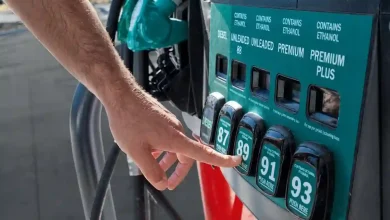
The immediate consequence of surging crude oil prices has been felt directly by American consumers, with gas prices shooting up to over $4.10 a gallon across a significant portion of the country. According to retail data collected by the AAA Gas Prices tracking service, the national average for a gallon of regular gasoline jumped 15 cents in a single week. These climbing costs came just as the U.S. launched its seventh night of intensive military actions, signaling to energy traders that a rapid resolution was highly unlikely. The surge has not been uniform across the United States; states with stringent environmental standards and high fuel taxes, such as California and Hawaii, are seeing fuel prices climb well past $5.40 a gallon. Meanwhile, industrial hubs in the Northeast, including New York and Pennsylvania, are recording averages between $4.10 and $4.19. The rapid run-up in fuel prices acts as a regressive tax on low- and middle-income families, who must allocate a larger percentage of their take-home pay to commute to work and manage basic household needs.
U.S: The ‘Crack Spread’ Phenomenon and Refining Strain
To fully comprehend the pressure on retail fuel prices, economists look beyond the raw price of crude oil to the ‘crack spread’—the market margin for refining crude oil into gasoline and diesel. Nobel Prize-winning economist Paul Krugman recently highlighted that refining costs have expanded dramatically during this conflict, acting as a multiplier on the initial crude oil spike. With the crack spread hovering around $40 per barrel, consumers are essentially paying retail prices that reflect the economic equivalent of $140-per-barrel oil. The physical infrastructure of domestic refineries is under extreme strain, and the threat of regional sabotage has forced operators to purchase expensive security protocols. The economic fallout of these refining imbalances grew more acute as the U.S. initiated further military strikes against Iranian positions, focusing on strategic logistics networks. These efforts represent a direct expansion of the aerial bombardment across key zones that began earlier this spring, compounding the structural damage to global energy distribution networks.
U.S: The Return of Trump’s Trade Brinkmanship
Adding fuel to the economic fire is the sudden, aggressive return of the White House’s protectionist trade agenda. On Friday, President Trump formalized a sweeping slate of new tariffs targeting dozens of nations, signaling that the administration is ready to double down on its strategy of bilateral pressure. Under Section 122 of the Trade Act of 1974, which permits the executive branch to implement temporary import duties during times of national emergency or balance-of-payments crises, the administration has constructed a complex web of levies affecting up to 60 major economies. As the White House normalized these sweeping tariffs, regional hostilities escalated following casualties on the ground, making a comprehensive diplomatic settlement nearly impossible to negotiate. The administration has hinted that it may use the threat of higher tariffs as leverage to force international allies into providing naval support in the Gulf, but the immediate result has been deep anxiety among domestic manufacturers who rely on imported raw materials.
The Geopolitical Quagmire: U.S.-Iran Confrontation Escalates
The dual pressures of escalating tariffs and rising energy costs are inextricably linked to the military campaign in the Middle East. Operation Epic Fury, which began with a series of high-intensity airstrikes aimed at degrading Iranian drone facilities and military command structures, has entered its fifth month with no clear end in sight. What was initially marketed by the administration as a swift, surgical intervention to restore maritime order has evolved into a grinding war of attrition. This escalation was further catalyzed by a series of high-stakes retaliatory measures against Tehran, as military commanders target key drone manufacturing facilities. Iran’s asymmetric response, utilizing naval mines, localized drone attacks, and surrogate forces like the Houthis, has successfully disrupted key shipping lanes without engaging in direct fleet-to-fleet combat. This strategy has proven highly effective at keeping energy markets in a perpetual state of anxiety, neutralizing the U.S. military’s conventional advantages.
Economic Outlook: The Double-Whammy of Tariffs and Energy Shocks
Economists are now modeling the systemic risks associated with a simultaneous supply-side energy shock and a demand-side trade shock. Historically, an oil price spike acts as an external shock that dampens consumer spending, while tariffs increase the cost of imported intermediate goods, creating an inflationary environment that is incredibly difficult for central banks to manage. The Federal Reserve now faces a grueling policy dilemma: raising interest rates to combat the tariff-driven and energy-driven inflation risks tipping a fragile economy into a deep recession, while lowering rates to support growth could unanchor inflation expectations completely. Rating agencies like Fitch have warned that if the Strait of Hormuz remains closed for an extended period, the resulting economic damage will shave percentage points off global GDP growth, with the United States bearing a substantial portion of the burden.
Comparing the Shocks: A Historical Overview of Energy Disruptions
To clarify the rapid transformation of the domestic economic environment over the past several weeks, the table below outlines key economic indicators, comparing the brief early-summer reprieve with the highly volatile late-July escalation phase.
| Economic Metric | Early Summer Reprieve (Early July 2026) | Current Escalation Phase (Late July 2026) | Primary Driver & Systemic Impact |
|---|---|---|---|
| Brent Crude Oil Price | ~$71.00 per barrel | ~$100.00+ per barrel | Escalating U.S.-Iran strikes, Houthi blockade threats on Saudi tankers. |
| National Average Gas Price | ~$3.83 per gallon | ~$4.10 per gallon | AAA reports 15-cent surge due to rising crude costs and refining strains. |
| Global Trade Tariffs | Interim negotiation phase | Formalized tariffs on 60 economies | President Trump’s renewed trade brinkmanship utilizing Section 122 powers. |
| Domestic Inflation Trend | Cooling / Moderating | Reigniting / Rebounding | Double-whammy of high fuel costs and import duties. |
| Refining Crack Spread | Standard seasonal average | Surged to ~$40.00 per barrel | Creating the retail economic equivalent of $140-per-barrel crude oil. |
As the nation navigates this challenging economic landscape, the combination of active military engagement abroad and protectionist policies at home suggests that the volatility is here to stay. American households must once again prepare for an era of elevated fuel costs and rising prices on everyday goods, proving that the summer reprieve was nothing more than a temporary pause in a much larger global storm.



One Comment