Greenland Tariffs: The 2026 Trade Crisis & Import Duty Guide
Executive Insights
- 2026 Crisis: US threatened 10-25% tariffs on 8 EU nations over Greenland ownership disputes.
- De-escalation: Tariffs suspended on Jan 21, 2026, after a NATO-brokered ‘framework’ deal.
- Strategic Resource: Conflict driven by US need for Greenland’s rare earth minerals (Tanbreez, Kvanefjeld).
- Import Duties: Greenland operates outside EU VAT zone; high duties apply to alcohol, sugar, and vehicles.
Last Updated: January 29, 2026
The global trade landscape shifted dramatically in January 2026 as the “Greenland Tariff Crisis” brought the US and EU to the brink of a trade war. This guide analyzes the geopolitical standoff, the specific tariff threats issued by the Trump administration, and the actual customs regime for shipping goods to Greenland today.
Key Takeaways
- The 2026 Crisis: In Jan 2026, President Trump threatened 10-25% tariffs on 8 European nations (including Denmark, UK, and Germany) over opposition to a US purchase of Greenland.
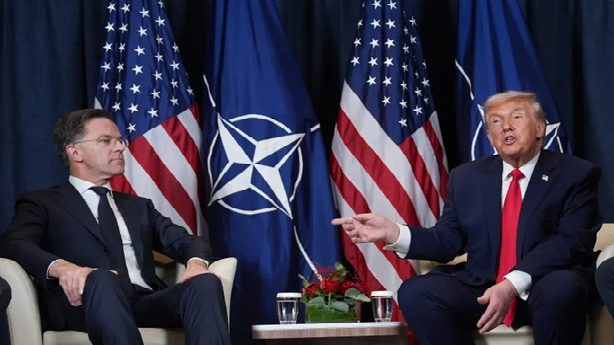
- The Resolution: A “framework agreement” reached with NATO Secretary General Mark Rutte on Jan 21, 2026, de-escalated the threat, suspending the tariffs scheduled for Feb 1.
- Strategic Resource: The conflict is driven by Greenland’s vast rare earth deposits (e.g., Tanbreez project), crucial for US supply chain independence from China.
- Actual Import Duties: For shippers, Greenland remains a distinct customs territory outside the EU VAT zone, with high specific duties on alcohol (up to 650 DKK/liter), sugar, and vehicles.
The 2026 Greenland Tariff Crisis: What Happened?
In early January 2026, the long-standing US interest in acquiring Greenland—an autonomous territory within the Kingdom of Denmark—escalated into a major diplomatic and economic confrontation. The crisis highlighted the intersection of national security, resource sovereignty, and aggressive trade policy.
The Tariff Threat Timeline
On January 17, 2026, the White House issued a directive threatening punitive tariffs on eight European nations deemed to be blocking US security interests in the Arctic. The proposed escalation structure was explicit:
| Phase | Date | Tariff Rate | Targeted Nations |
|---|---|---|---|
| Initial | Feb 1, 2026 | 10% | Denmark, Norway, Sweden, France, Germany, UK, Netherlands, Finland |
| Escalation | June 1, 2026 | 25% |
These measures were framed not as standard trade remedies but as national security actions under the International Emergency Economic Powers Act (IEEPA), bypassing standard WTO dispute mechanisms.
The “Turnberry Agreement” Fallout
The immediate casualty of this rhetoric was the Turnberry Agreement, a transatlantic trade deal verbally agreed to in July 2025 to cut US duties on EU industrial goods. Following the Greenland threats, the European Parliament suspended ratification of the deal on January 21, 2026. Major political groups, including the Socialists & Democrats (S&D), refused to vote while the sovereignty of an EU associate territory was under leverage.
De-escalation: The Davos Breakthrough
Tensions cooled following a high-stakes meeting at the World Economic Forum in Davos between President Trump and NATO Secretary General Mark Rutte. On January 21, 2026, the US announced a withdrawal of the immediate tariff threat, citing a newly agreed “framework for a future deal.” While details remain classified, analysts suggest it involves enhanced US military access and joint ventures in rare earth mining rather than an outright territorial purchase.
Why Greenland? The Economics of Rare Earths
The tariff dispute is merely the symptom; the root cause is the race for Critical Raw Materials (CRMs). Greenland holds some of the world’s largest undeveloped deposits of rare earth elements (REEs), vital for electric vehicles, wind turbines, and defense systems.
- Tanbreez Project: Located in South Greenland, this deposit is estimated to hold over 50% of the world’s heavy rare earths (dysprosium, terbium).
- Kvanefjeld Project: Another massive site, though politically controversial due to uranium byproducts.
With the EU Critical Raw Materials Act targeting 2030 independence and the US invoking the Defense Production Act, control over Greenland’s supply chain is a zero-sum game. The 2026 tariff threat was effectively a lever to force Denmark to align Greenland’s mining output with US strategic needs rather than Chinese or European ones.
Shipping to Greenland: Practical Customs Guide (2025-2026)
Beyond the geopolitical drama, businesses shipping to Greenland must navigate a unique customs landscape. Greenland is not part of the EU Customs Union or the Schengen Area. It operates its own tariff schedule, which is heavily revenue-based.
Import Duties & Taxes
Most goods enter duty-free, but specific categories face steep levies to discourage consumption or raise revenue. The 2025/2026 Tariff Schedule includes:
| Product Category | Duty Type | 2025/2026 Rate (approx.) |
|---|---|---|
| Alcohol (Spirits) | Specific Duty | Up to 650 DKK per liter (for >60% ABV) |
| Beer & Wine | Specific Duty | 3.85 – 47.25 DKK per liter depending on ABV |
| Sugar & Chocolate | Specific Duty | 25.50 – 63.00 DKK per kg |
| Carbonated Drinks | Specific Duty | 5.75 DKK per liter |
| Motor Vehicles | Ad Valorem | Varies (often high registration taxes apply) |
| General Merchandise | Duty | Often 0% (but subject to inspection fees) |
Customs Clearance Essentials
- Invoice Currency: Declarations should typically be in Danish Krone (DKK).
- Restricted Items: Strict controls on meat and dairy products to protect local fauna.
- EU Status: Goods from the EU do not automatically enter duty-free; they require standard export/import documentation (T2L not applicable).
The Impact on Global Supply Chains
The 2026 Greenland Tariff Crisis has forced multinational corporations to reassess their risk exposure.
1. The “China Plus One” Becomes “Arctic Plus One”
Companies reliant on rare earths are now explicitly factoring Arctic geopolitical stability into their procurement strategies. The US push for “friend-shoring” has effectively marked Greenlandic resources as a protected strategic asset.
2. EU Anti-Coercion Instrument (ACI)
For the first time, the EU seriously debated triggering the Anti-Coercion Instrument in response to the US threats. This legal framework allows the EU to impose countermeasures (tariffs, investment bans) against countries interfering with member state sovereignty. Although the crisis de-escalated, the readiness to use the ACI signals a more defensive EU trade posture in 2026.
Future Outlook
While the immediate threat of 25% tariffs has receded, the underlying tension remains. The “framework deal” is fragile. If the US does not secure the mining rights it seeks through diplomatic channels, the tariff weapon could return. For now, traders should monitor US-Denmark relations closely, as the stability of the North Atlantic trade route hangs in the balance.
In-Depth Q&A
Q: What triggered the Greenland tariff threats in 2026?
President Trump threatened tariffs in January 2026 after Denmark and other European nations opposed US efforts to purchase or secure exclusive control over Greenland, citing national security and rare earth supply concerns.
Q: Which countries were targeted by the US Greenland tariffs?
The threat targeted eight nations: Denmark, Norway, Sweden, France, Germany, the United Kingdom, the Netherlands, and Finland.
Q: Are there currently tariffs on shipping goods to Greenland?
Yes, Greenland imposes its own specific import duties, particularly on alcohol, tobacco, sugar, and carbonated drinks. However, many general merchandise items enter duty-free. It is not part of the EU Customs Union.
Q: What is the status of the Turnberry Agreement?
As of late January 2026, the Turnberry Agreement (a US-EU trade deal) is suspended. The European Parliament halted ratification in protest of the US tariff threats regarding Greenland.
Q: Why is Greenland so important for trade and tariffs?
Greenland possesses massive undeveloped reserves of rare earth elements (REEs) like neodymium and dysprosium. The US views these as critical for defense and tech sectors to reduce reliance on Chinese exports.





2 Comments