Winter Storm Preparedness & Science: The Ultimate Safety Guide
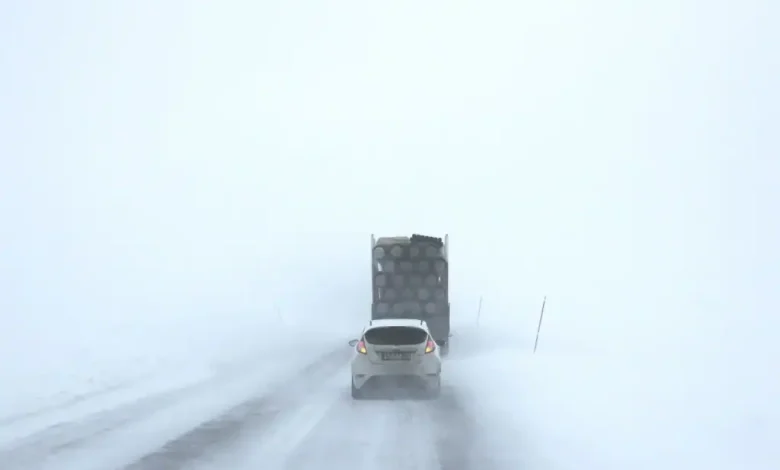
Executive Insights
- A Blizzardrequires winds >35 mph and low visibility (<1/4 mile) for 3+ hours.
- Freezing Rain is the most dangerous precipitation for power grids as it coats lines in heavy ice.
- Winter Storm Warnings indicate imminent danger; stay indoors and avoid travel.
- Hypothermia causes confusion and shivering; Frostbite causes numbness and waxy skin.
- Never use gas generators or grills indoors; carbon monoxide poisoning is a major winter killer.
Winter storms are among nature’s most deceptive killers. Unlike the sudden violence of a tornado or the visual magnitude of a hurricane, a winter storm often descends slowly, blanketing regions in deceptive beauty before revealing its paralyzing power. From the Great Plains’ howling blizzards to the subtle, glazing menace of an ice storm in the South, severe winter weather affects nearly every part of the United States. Understanding the science behind these storms and knowing how to prepare is not just about comfort—it is a matter of survival.
What Defines a Winter Storm?
A winter storm is a meteorological event where wind coincides with varieties of precipitation that only occur at freezing temperatures, such as snow, sleet, or freezing rain. While they are synonymous with cold weather, the specific classification depends on the intensity and type of precipitation.
According to the National Weather Service (NWS), the severity of a winter storm is categorized by its impact on travel, infrastructure, and life safety. The three most critical definitions you must know are:
- Blizzard: Defined not just by snow amount, but by wind. A blizzard requires sustained winds or frequent gusts of 35 mph or greater and falling or blowing snow that reduces visibility to less than 1/4 mile for at least 3 hours.
- Ice Storm: A storm resulting in the accumulation of at least 0.25 inches (6.4 mm) of ice on exposed surfaces. This is often the most destructive to power grids.
- Lake Effect Snow: Created when cold, dry air moves over warmer lake water (common in the Great Lakes region). The air picks up moisture and deposits massive amounts of snow on the leeward shores.
The Science: How Winter Storms Form
For a winter storm to develop, three key atmospheric ingredients must collide:
- Cold Air: Sub-freezing temperatures are required in the clouds and near the ground to produce snow or ice.
- Moisture: Air blowing across large bodies of water (like the Atlantic Ocean or Gulf of Mexico) provides the water vapor necessary for cloud formation.
- Lift: A mechanism to raise the moist air, such as a cold front or a mountain range. As the air rises, it cools and condenses into precipitation.
The “Warm Sandwich”: Sleet vs. Freezing Rain vs. Snow
One of the most confusing aspects of winter weather is determining precipitation type. It all depends on the temperature profile of the atmosphere as the precipitation falls.
| Precipitation Type | Atmospheric Profile | Ground Impact |
|---|---|---|
| Snow | The entire column of air from cloud to ground is below freezing (32°F / 0°C). | Accumulates as fluffy or heavy white powder. |
| Sleet (Ice Pellets) | Snow falls through a shallow warm layer, melts, then refreezes in a deep cold layer before hitting the ground. | Bounces upon impact; sounds like grain hitting windows. |
| Freezing Rain | Snow melts completely in a deep warm layer, then hits a sub-freezing surface. | Freezes on contact (glaze). Coats trees and power lines; extremely dangerous. |
Understanding Alerts: Watch vs. Warning vs. Advisory
The NWS uses specific terminology to alert the public. Knowing the difference between a “watch” and a “warning” is critical for timing your preparations.
| Alert Level | Meaning | Action Required |
|---|---|---|
| Winter Storm Watch | Severe winter weather is possible within the next 12-48 hours. | Be Prepared: Check supplies, monitor forecasts. |
| Winter Weather Advisory | Winter weather is occurring or imminent but is not life-threatening if caution is used. | Be Aware: Drive slowly, dress warmly. |
| Winter Storm Warning | Life-threatening, severe winter conditions are occurring or will begin within 24 hours. | Take Action: Stay indoors, avoid travel. |
Comprehensive Preparedness Guide
1. The Home Emergency Kit
If you are trapped in your home due to heavy snow or lose power during an ice storm, you may be isolated for days. Your kit should be self-sustaining for at least 72 hours.
- Water: 1 gallon per person, per day.
- Food: Non-perishable, high-calorie items (dried fruit, nuts, canned goods, energy bars).
- Heat & Light: Flashlights, extra batteries, battery-powered radio (NOAA Weather Radio), and safe emergency heating (avoid bringing gas grills indoors due to Carbon Monoxide).
- First Aid: Essential medications, bandages, and antiseptic.
- Communication: Fully charged power banks for cell phones.
2. Vehicle Safety Checklist
The Red Cross advises against travel during a warning. However, if you must drive, keep a disaster supply kit in your trunk:
- Shovel and windshield scraper.
- Sand or cat litter (for tire traction).
- Brightly colored cloth (to tie to the antenna for distress signals).
- Jumper cables.
- Wool blankets and warm clothes (hats, mittens).
Safety Tip: If stranded in a vehicle, run the engine for only 10 minutes every hour to stay warm. Ensure the exhaust pipe is clear of snow to prevent carbon monoxide poisoning.
Health Risks: Frostbite and Hypothermia
Exposure to extreme cold can overwhelm the body’s defense mechanisms. Recognizing symptoms early saves lives.
Hypothermia
This occurs when the body loses heat faster than it can produce it, dropping core temperature.
- Symptoms: Shivering, exhaustion, confusion, fumbling hands, memory loss, slurred speech.
- Action: Move to a warm room. Warm the center of the body first (chest, neck, head). Keep dry.
Frostbite
An injury caused by freezing of the skin and underlying tissues.
- Symptoms: Numbness; white, gray-yellow, or unusually firm or waxy skin.
- Action: Soaking in warm (not hot) water. Do not massage the area, as this can cause tissue damage.
Key Takeaways for Winter Survival
Winter storms are predictable natural disasters. Unlike earthquakes, we often have days of warning. Use that time to winterize your home, prepare your vehicle, and educate your family on the difference between a simple snowfall and a life-threatening blizzard. Stay informed via local news and NOAA alerts, and remember: when the warning is issued, the time for preparation is over—it is time to shelter in place.
In-Depth Q&A
Q: What is the difference between a Winter Storm Watch and a Warning?
A Watch means severe weather is possible within 12-48 hours and you should prepare. A Warning means severe weather is imminent or occurring and you should take immediate action to protect life and property.
Q: How do blizzards differ from regular snowstorms?
A blizzard is defined by wind, not just snow. It requires winds over 35 mph and visibility under 1/4 mile for at least 3 hours. You can have a ‘ground blizzard’ with no falling snow, just blowing snow.
Q: What is the difference between sleet and freezing rain?
Sleet consists of frozen ice pellets that bounce when they hit the ground. Freezing rain falls as liquid but freezes instantly upon contact with cold surfaces, creating a dangerous glaze of ice.
Q: What should be in a winter car emergency kit?
Essential items include a shovel, windshield scraper, sand or cat litter for traction, jumper cables, blankets, flashlight, batteries, and high-energy non-perishable food.
Q: Why is carbon monoxide a risk during winter storms?
Using alternative heating sources like gas generators, grills, or camp stoves indoors, or running a car engine with a snow-clogged exhaust pipe, can lead to fatal carbon monoxide buildup.





One Comment