Saja Boys: The Comprehensive Guide to the K-Pop Demon Hunters Phenomenon
Introduction
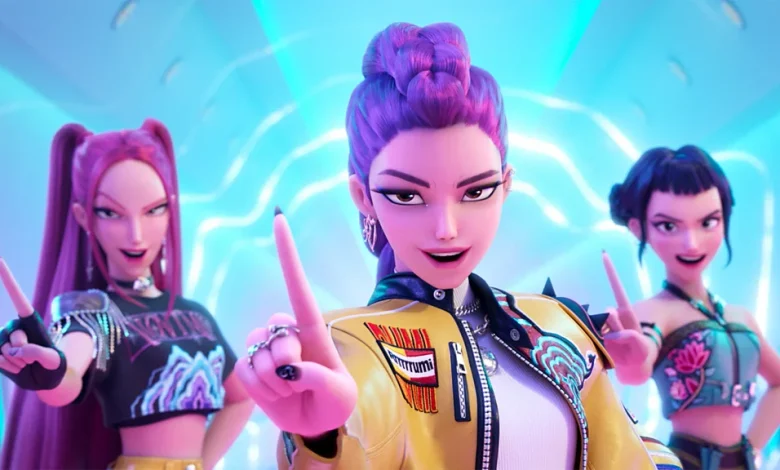
In mid-2025, the boundary between fictional entertainment and real-world music charts was shattered by the Saja Boys. Originating as the antagonist group in the Netflix animated feature KPop Demon Hunters, this five-member boy band evolved from a plot device into a legitimate global musical powerhouse. By blending high-concept folklore with hyper-modern K-pop aesthetics, the Saja Boys have achieved what few virtual acts have managed: outperforming established human artists on platforms like Spotify and Billboard.
This report provides a definitive analysis of the group’s lore, the cultural significance of their name, member profiles, and their unprecedented transition from animation to reality.
Etymology and Cultural Significance: The “Saja” Double Entendre
The group’s branding is built upon a clever linguistic pun deeply rooted in Korean folklore and language. Understanding the name is crucial to grasping the group’s thematic depth.
Linguistic Breakdown:
In Korean, Saja (사자) holds two distinct primary meanings:
- Lion (獅子): Represents royalty, power, and the group’s fandom name, “The Pride.”
- Grim Reaper / Envoy (使者): Specifically referencing Jeoseung Saja (저승사자), the Angel of Death or Underworld Messenger.
Within the narrative of KPop Demon Hunters, the members are Jeoseung Saja (demons/reapers) disguised as idols to harvest human souls (or “fan energy”) for their master, the demon king Gwi-Ma. Their aesthetic—often mixing dark, modern streetwear with traditional gat (horsehair hats) and hanbok elements—visually reinforces this dual identity of modern idols and ancient spirits.
Saja Boys Member Profiles and Lore
While the group functions as a unit, each member represents a specific archetype within the K-pop industry, often exaggerated for narrative effect. Below is the detailed breakdown of the lineup.
| Stage Name | Position | Voice Actor (Spoken/Sung) | Character Lore & Archetype |
|---|---|---|---|
| Jinu | Leader, Center, Main Vocal | Ahn Hyo Seop / Andrew Choi | The conflicted leader who eventually seeks redemption. Modeled after the “perfect center” archetype, balancing immense pressure with a hidden moral compass. |
| Abby | Main Dancer, Rapper | SungWon Cho / NECKWAV | Known for high-energy performance and aggressive choreography. Represents the intense physical demands and “over-sexualization” critique within the industry. |
| Mystery | Visual, Sub-Vocal | Various / Danny Chung | The enigmatic member who rarely speaks, embodying the “mysterious persona” created by agencies to maintain fan intrigue. |
| Romance | Lead Vocal | Kevin Woo | Specializes in fan service and parasocial relationship building. His character arc critiques the commodification of romantic availability in idol culture. |
| Baby | Maknae (Youngest) | Various / Samuil Lee | The “cute” member, highlighting the infantilization often forced upon the youngest group members regardless of their actual age or personality. |
Discography and Real-World Chart Domination
Despite being fictional, the Saja Boys’ discography is produced by top-tier industry veterans, resulting in tracks that stand toe-to-toe with real K-pop releases.
1. “Your Idol” (The Breakout Hit)
Released alongside the film in June 2025, “Your Idol” became a viral sensation. The track is an electro-pop anthem with darker, industrial undertones that mirror the group’s demonic nature.
- Chart Performance: Reached #1 on US Spotify Daily Top Songs (July 2025), a historic first for a virtual act.
- Lyrical Themes: The lyrics function as a double entendre, seemingly about loving fans while secretly describing the consumption of their souls.
2. “Soda Pop”
A bubblegum pop track designed to contrast with their darker image, “Soda Pop” sparked a massive TikTok trend (#SodaPopChallenge). Even government officials, such as the spokesperson for the Ministry of Agriculture in South Korea, participated in the dance challenge, cementing the song’s status as a cultural meme.
The Future: From Animation to Live Tours
As of early 2026, the Saja Boys have transcended their animated origins. Following the immense success of the OST, reports from the Federation of Korean Music Performers indicate that the singing voice cast (including Andrew Choi and Kevin Woo) has registered as an official group unit.
Industry Predictions for 2026:
- Live Concerts: A “hologram + live vocals” tour is rumored, similar to the Gorillaz or Hatsune Miku models, but with the actual voice actors performing alongside avatars.
- Sequel Implications: With KPop Demon Hunters 2 in development, the Saja Boys are expected to return, potentially shifting from antagonists to anti-heroes or allies to the girl group Huntr/x.
Conclusion
The Saja Boys phenomenon highlights a shift in global media consumption where transmedia storytelling allows fictional entities to compete in real-world markets. By combining the lore of Jeoseung Saja with the addictive polish of K-pop production, Netflix and Sony Pictures Animation created an entity that satisfies both narrative intrigue and musical demand. For SEOs and marketers, the Saja Boys represent the ultimate case study in “Entity-Based” success—where a constructed brand becomes a search entity with as much weight as living celebrities.
Sources & References
- •
Netflix: ‘KPop Demon Hunters’ Official Cast & Crew Listing (2025) - •
Spotify Charts: US Daily Top Songs, July 2025 Data - •
The Korea Times: ‘Government spokesman goes all out for trendy appeal’ (Oct 2025) - •
Fandom Wiki: KPop Demon Hunters – Saja Boys Profile - •
Billboard: Global 200 Chart Analysis (July 2025)