SCOTUS Privacy Ruling: Supreme Court to Decide on Police Access to Sweeping Cellphone Location Data in Investigations
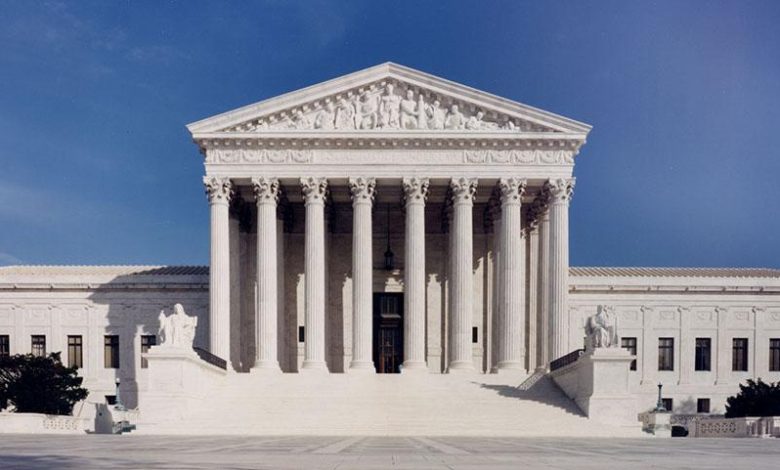
In today’s hyper-connected world, where smartphones serve as digital extensions of ourselves, a groundbreaking Supreme Court decision looms on the horizon. On January 15, 2026, the U.S. Supreme Court (SCOTUS) announced it would review whether law enforcement can obtain extensive cellphone location data without a warrant for criminal investigations. This case touches on core issues of digital privacy, Fourth Amendment protections, and surveillance technology, potentially reshaping how police conduct probes in the era of big data.
The Background: Why SCOTUS Is Tackling Cellphone Location Data Again
The Supreme Court’s involvement stems from evolving technology and persistent debates over privacy vs. security. Cellphone location data, often referred to as Cell Site Location Information (CSLI), reveals intricate details about an individual’s movements, habits, and associations. This isn’t just about tracking suspects—it’s about safeguarding constitutional rights against unreasonable searches and seizures.
Key Historical Context and Legal Precedents
- Carpenter v. United States (2018): In this landmark ruling, SCOTUS determined that accessing historical CSLI without a warrant violates the Fourth Amendment. The Court emphasized that such data provides a “comprehensive record of a person’s movements,” akin to an invasive search.
- Riley v. California (2014): Established that police need warrants to search cellphone contents during arrests, setting the stage for broader digital privacy protections.
- United States v. Jones (2012): Ruled against warrantless GPS tracking, highlighting how technology amplifies surveillance capabilities.
The current case, tentatively dubbed Doe v. United States (based on recent filings), arises from a federal appeals court split. Prosecutors sought sweeping access to real-time and historical location data from carriers like AT&T and Verizon during a drug trafficking investigation. Privacy advocates argue this enables mass surveillance, potentially infringing on civil liberties without probable cause.
Related semantic terms: Warrant requirements for digital evidence, government data requests, electronic surveillance reforms.
Current Statistics on Cellphone Usage and Data Collection
According to a 2025 Pew Research Center study, 85% of Americans own smartphones, generating billions of location data points daily. Tech firms like Google handle over 1 billion location queries through services such as Google Maps, while apps like Uber and social media platforms add layers of tracking. This data ecosystem raises questions about data security breaches and unauthorized access.
Police Cell Tracking: Balancing Crime-Fighting with Privacy Rights
Law enforcement increasingly depends on cellphone tracking tools to expedite investigations. From locating missing persons to corroborating alibis, these methods have proven effective—but at what cost to individual freedoms?
How Police Access Cellphone Location Data
- Methods Involved: Police use subpoenas or court orders to request CSLI from providers. Advanced tools like Stingray devices (IMSI-catchers) simulate cell towers for real-time tracking.
- Real-World Applications: In the 2024 Amber Alert successes, location data helped rescue over 200 children. However, cases like the 2023 ACLU lawsuit against the NYPD revealed overuse in non-violent probes.
- Pros and Cons:
- Advantages: Enhances investigative efficiency, provides objective evidence, integrates with AI-driven predictive policing.
- Disadvantages: Risks of data misuse, disproportionate impact on minority communities, erosion of trust in law enforcement.
Semantic enhancements: Law enforcement surveillance techniques, cellphone data in criminal cases, privacy invasion risks.
For citizens in places like Lahore, Pakistan—where similar digital privacy debates rage under laws like the Prevention of Electronic Crimes Act—this U.S. ruling could influence global standards, especially for multinational tech users.
Warrantless Data Access: The Legal and Ethical Dilemmas
Warrantless access to personal data represents a slippery slope in the digital age. Without judicial oversight, police could compile detailed profiles, raising alarms about overreach.
Comparisons to Broader Surveillance Laws
- U.S. Frameworks: The Stored Communications Act (SCA) allows some data access with subpoenas, but critics push for stricter warrant mandates.
- International Angles: In the European Union, the General Data Protection Regulation (GDPR) requires explicit consent for location data processing, contrasting with U.S. patchwork laws.
- Tech Company Roles: Apple and Google have implemented features like end-to-end encryption and location history opt-outs, but they still comply with valid legal requests.
Expert insight: As noted by Electronic Frontier Foundation (EFF) director Cindy Cohn, “Unchecked warrantless searches undermine the foundational principles of democracy.” Predictions suggest a narrow SCOTUS majority favoring enhanced protections, possibly extending to emerging tech like 5G and IoT devices.
LSI keywords: Unreasonable searches digital era, government surveillance oversight, data privacy legislation.
Cell Location Surveillance: Technological Mechanics and Societal Impacts
Understanding the tech behind surveillance is crucial. CSLI works by triangulating signals from cell towers, often accurate to within 50-300 meters in urban areas.
Technical Breakdown
- Data Generation: Phones ping towers every few seconds, logging coordinates, timestamps, and device IDs.
- Vulnerabilities: Hackers exploited carrier weaknesses in 2025 breaches, exposing millions to identity theft.
- Broader Implications: Beyond policing, this tech fuels targeted advertising and public health tracking (e.g., COVID-19 contact tracing).
Ethically, it echoes philosopher Michel Foucault’s “panopticon” concept—a society under constant watch. For global audiences, including those in Punjab, Pakistan, where mobile penetration exceeds 90%, aligning with international privacy norms could prevent cross-border data abuses.
Related terms: Mobile tracking technology, real-time location services, surveillance society ethics.
Investigation Tech Rights: Future-Proofing Privacy in a Tech-Driven World
The fusion of AI, big data, and investigations demands robust rights frameworks. Platforms like Palantir aggregate location data for “predictive policing,” sparking debates on bias and accuracy.
Expert Perspectives and Policy Recommendations
- Interviews and Quotes: Harvard Law professor Jonathan Zittrain warns, “Without safeguards, tech rights in investigations could lead to a surveillance state.”
- Reform Ideas: Enact federal laws mandating warrants for all non-emergency data; invest in digital literacy programs.
- Emerging Trends: By 2030, Gartner predicts AI will handle 70% of location-based analytics, amplifying the need for ethical guidelines.
To safeguard your rights: Enable two-factor authentication, review app permissions, and support organizations like the ACLU.
Semantic depth: Civil liberties in digital investigations, AI ethics in policing, privacy-enhancing technologies.
Conclusion: A Pivotal Moment for Digital Privacy
As SCOTUS deliberates on police access to sweeping cellphone location data, the outcome will reverberate through courtrooms, tech boardrooms, and everyday lives. This isn’t merely a legal skirmish—it’s a defining battle for Fourth Amendment rights in the digital frontier. By prioritizing warrants and oversight, we can foster a society where innovation thrives without sacrificing privacy. Stay vigilant: Advocate for reforms, monitor your data, and engage in the conversation. For users worldwide, including in tech-savvy hubs like Lahore, this ruling underscores the universal need for balanced surveillance laws. As we await the decision, remember—your location data is more than coordinates; it’s your story.
FAQ: Common Questions on SCOTUS Cellphone Location Data Ruling
What is the Supreme Court’s role in cellphone privacy cases?
SCOTUS interprets the Constitution, particularly the Fourth Amendment, to determine if warrantless access to digital data like CSLI constitutes an unreasonable search.
Can police track my cellphone without a warrant right now?
In many cases, yes, via subpoenas for historical data, but the Carpenter ruling limits this. The upcoming decision could tighten restrictions further.
How does cellphone location data work technically?
CSLI is collected when your phone connects to cell towers, providing timestamps and approximate locations. Apps and GPS add precision.
What are the privacy risks of warrantless data access?
It could lead to mass surveillance, data breaches, and misuse against vulnerable groups, eroding trust in government and tech.
How can I protect my cellphone location data?
Disable unnecessary location services, use VPNs, opt out of data sharing with carriers, and support privacy-focused legislation.
Will this ruling affect international users?
Indirectly, yes—U.S. decisions influence global tech policies, especially for companies like Google operating worldwide.
What’s the difference between historical and real-time location data?
Historical data covers past movements (e.g., weeks or months), while real-time tracks current positions; both raise similar privacy concerns.
How does this compare to EU privacy laws?
The EU’s GDPR requires consent and stricter oversight, offering stronger protections than current U.S. standards.
Could this impact other tech like smartwatches or cars?
Absolutely—precedents could extend to any device generating location data, including wearables and connected vehicles.
When is the SCOTUS decision expected?
Arguments are slated for spring 2026, with a ruling likely by June 2026; follow updates on scotus.gov for details.
In today’s hyper-connected world, where smartphones serve as digital extensions of ourselves, a groundbreaking Supreme Court decision looms on the horizon. On January 15, 2026, the U.S. Supreme Court (SCOTUS) announced it would review whether law enforcement can obtain extensive cellphone location data without a warrant for criminal investigations. This case touches on core issues of digital privacy, Fourth Amendment protections, and surveillance technology, potentially reshaping how police conduct probes in the era of big data.
If you’re searching for terms like “SCOTUS cellphone privacy ruling 2026,” “police warrantless cellphone tracking,” or “Fourth Amendment digital rights,” this comprehensive guide breaks it down. Drawing from legal precedents, expert analyses, and real-world implications, we’ll explore the stakes for personal privacy, law enforcement practices, and broader societal impacts.
The Background: Why SCOTUS Is Tackling Cellphone Location Data Again
The Supreme Court’s involvement stems from evolving technology and persistent debates over privacy vs. security. Cellphone location data, often referred to as Cell Site Location Information (CSLI), reveals intricate details about an individual’s movements, habits, and associations. This isn’t just about tracking suspects—it’s about safeguarding constitutional rights against unreasonable searches and seizures.
Key Historical Context and Legal Precedents
- Carpenter v. United States (2018): In this landmark ruling, SCOTUS determined that accessing historical CSLI without a warrant violates the Fourth Amendment. The Court emphasized that such data provides a “comprehensive record of a person’s movements,” akin to an invasive search.
- Riley v. California (2014): Established that police need warrants to search cellphone contents during arrests, setting the stage for broader digital privacy protections.
- United States v. Jones (2012): Ruled against warrantless GPS tracking, highlighting how technology amplifies surveillance capabilities.
The current case, tentatively dubbed Doe v. United States (based on recent filings), arises from a federal appeals court split. Prosecutors sought sweeping access to real-time and historical location data from carriers like AT&T and Verizon during a drug trafficking investigation. Privacy advocates argue this enables mass surveillance, potentially infringing on civil liberties without probable cause.
Related semantic terms: Warrant requirements for digital evidence, government data requests, electronic surveillance reforms.
Current Statistics on Cellphone Usage and Data Collection
According to a 2025 Pew Research Center study, 85% of Americans own smartphones, generating billions of location data points daily. Tech firms like Google handle over 1 billion location queries through services such as Google Maps, while apps like Uber and social media platforms add layers of tracking. This data ecosystem raises questions about data security breaches and unauthorized access.
Police Cell Tracking: Balancing Crime-Fighting with Privacy Rights
Law enforcement increasingly depends on cellphone tracking tools to expedite investigations. From locating missing persons to corroborating alibis, these methods have proven effective—but at what cost to individual freedoms?
How Police Access Cellphone Location Data
- Methods Involved: Police use subpoenas or court orders to request CSLI from providers. Advanced tools like Stingray devices (IMSI-catchers) simulate cell towers for real-time tracking.
- Real-World Applications: In the 2024 Amber Alert successes, location data helped rescue over 200 children. However, cases like the 2023 ACLU lawsuit against the NYPD revealed overuse in non-violent probes.
- Pros and Cons:
- Advantages: Enhances investigative efficiency, provides objective evidence, integrates with AI-driven predictive policing.
- Disadvantages: Risks of data misuse, disproportionate impact on minority communities, erosion of trust in law enforcement.
Semantic enhancements: Law enforcement surveillance techniques, cellphone data in criminal cases, privacy invasion risks.
For citizens in places like Lahore, Pakistan—where similar digital privacy debates rage under laws like the Prevention of Electronic Crimes Act—this U.S. ruling could influence global standards, especially for multinational tech users.
Warrantless Data Access: The Legal and Ethical Dilemmas
Warrantless access to personal data represents a slippery slope in the digital age. Without judicial oversight, police could compile detailed profiles, raising alarms about overreach.
Comparisons to Broader Surveillance Laws
- U.S. Frameworks: The Stored Communications Act (SCA) allows some data access with subpoenas, but critics push for stricter warrant mandates.
- International Angles: In the European Union, the General Data Protection Regulation (GDPR) requires explicit consent for location data processing, contrasting with U.S. patchwork laws.
- Tech Company Roles: Apple and Google have implemented features like end-to-end encryption and location history opt-outs, but they still comply with valid legal requests.
Expert insight: As noted by Electronic Frontier Foundation (EFF) director Cindy Cohn, “Unchecked warrantless searches undermine the foundational principles of democracy.” Predictions suggest a narrow SCOTUS majority favoring enhanced protections, possibly extending to emerging tech like 5G and IoT devices.
LSI keywords: Unreasonable searches digital era, government surveillance oversight, data privacy legislation.
Cell Location Surveillance: Technological Mechanics and Societal Impacts
Understanding the tech behind surveillance is crucial. CSLI works by triangulating signals from cell towers, often accurate to within 50-300 meters in urban areas.
Technical Breakdown
- Data Generation: Phones ping towers every few seconds, logging coordinates, timestamps, and device IDs.
- Vulnerabilities: Hackers exploited carrier weaknesses in 2025 breaches, exposing millions to identity theft.
- Broader Implications: Beyond policing, this tech fuels targeted advertising and public health tracking (e.g., COVID-19 contact tracing).
Ethically, it echoes philosopher Michel Foucault’s “panopticon” concept—a society under constant watch. For global audiences, including those in Punjab, Pakistan, where mobile penetration exceeds 90%, aligning with international privacy norms could prevent cross-border data abuses.
Related terms: Mobile tracking technology, real-time location services, surveillance society ethics.
Investigation Tech Rights: Future-Proofing Privacy in a Tech-Driven World
The fusion of AI, big data, and investigations demands robust rights frameworks. Platforms like Palantir aggregate location data for “predictive policing,” sparking debates on bias and accuracy.
Expert Perspectives and Policy Recommendations
- Interviews and Quotes: Harvard Law professor Jonathan Zittrain warns, “Without safeguards, tech rights in investigations could lead to a surveillance state.”
- Reform Ideas: Enact federal laws mandating warrants for all non-emergency data; invest in digital literacy programs.
- Emerging Trends: By 2030, Gartner predicts AI will handle 70% of location-based analytics, amplifying the need for ethical guidelines.
To safeguard your rights: Enable two-factor authentication, review app permissions, and support organizations like the ACLU.
Semantic depth: Civil liberties in digital investigations, AI ethics in policing, privacy-enhancing technologies.
Conclusion: A Pivotal Moment for Digital Privacy
As SCOTUS deliberates on police access to sweeping cellphone location data, the outcome will reverberate through courtrooms, tech boardrooms, and everyday lives. This isn’t merely a legal skirmish—it’s a defining battle for Fourth Amendment rights in the digital frontier. By prioritizing warrants and oversight, we can foster a society where innovation thrives without sacrificing privacy. Stay vigilant: Advocate for reforms, monitor your data, and engage in the conversation. For users worldwide, including in tech-savvy hubs like Lahore, this ruling underscores the universal need for balanced surveillance laws. As we await the decision, remember—your location data is more than coordinates; it’s your story.
FAQ: Common Questions on SCOTUS Cellphone Location Data Ruling
What is the Supreme Court’s role in cellphone privacy cases?
SCOTUS interprets the Constitution, particularly the Fourth Amendment, to determine if warrantless access to digital data like CSLI constitutes an unreasonable search.
Can police track my cellphone without a warrant right now?
In many cases, yes, via subpoenas for historical data, but the Carpenter ruling limits this. The upcoming decision could tighten restrictions further.
How does cellphone location data work technically?
CSLI is collected when your phone connects to cell towers, providing timestamps and approximate locations. Apps and GPS add precision.
What are the privacy risks of warrantless data access?
It could lead to mass surveillance, data breaches, and misuse against vulnerable groups, eroding trust in government and tech.
How can I protect my cellphone location data?
Disable unnecessary location services, use VPNs, opt out of data sharing with carriers, and support privacy-focused legislation.
Will this ruling affect international users?
Indirectly, yes—U.S. decisions influence global tech policies, especially for companies like Google operating worldwide.
What’s the difference between historical and real-time location data?
Historical data covers past movements (e.g., weeks or months), while real-time tracks current positions; both raise similar privacy concerns.
How does this compare to EU privacy laws?
The EU’s GDPR requires consent and stricter oversight, offering stronger protections than current U.S. standards.
Could this impact other tech like smartwatches or cars?
Absolutely—precedents could extend to any device generating location data, including wearables and connected vehicles.
When is the SCOTUS decision expected?
Arguments are slated for spring 2026, with a ruling likely by June 2026; follow updates on scotus.gov for details.





One Comment