Comprehensive Analysis of the Silver Rate: Market Drivers, Industrial Demand, and Investment Outlook
Executive Summary
The silver rate is a dynamic economic indicator that reflects a complex interplay between industrial utility and monetary value. Unlike gold, which is primarily a store of value, silver functions as a hybrid asset. It serves as a critical component in modern technology while simultaneously acting as a hedge against currency debasement. This report analyzes the current silver rate, dissecting the macroeconomic factors, supply chain constraints, and geopolitical tensions driving price volatility. We examine the shift in demand toward green energy technologies and provide a forecast for the metal’s performance in the coming fiscal quarters.
Understanding the Mechanics of Silver Pricing
The spot price of silver is determined by the futures markets, primarily the COMEX in New York, and the London Bullion Market Association (LBMA) in the UK. While the spot price reflects the cost of one troy ounce of deliverable silver at that exact moment, the physical market often commands a premium.
Traders and institutions monitor the spread between the paper market (futures contracts) and the physical market (bullion). When this spread widens, it indicates a disconnect between speculative trading and actual physical availability. Understanding this mechanism is crucial for investors looking to enter the market, as premiums can significantly affect the cost basis of an investment.
Macroeconomic Influences on the Silver Rate
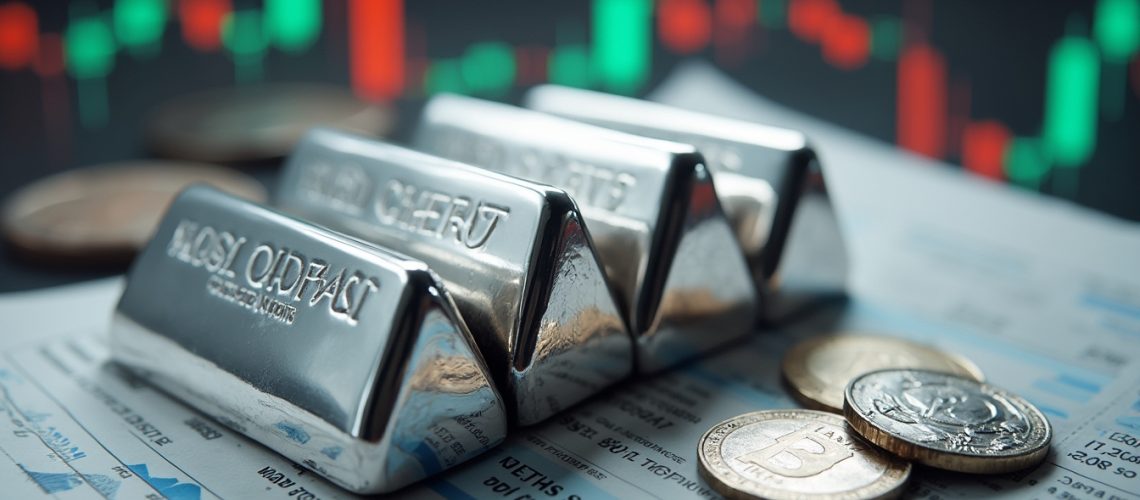
Several global economic factors exert pressure on silver prices. The most dominant is the strength of the US Dollar (USD). Silver is priced in dollars; therefore, an appreciation of the dollar typically makes silver more expensive for foreign buyers, dampening demand and lowering the price. Conversely, a weakening dollar often fuels a rally in precious metals.
Interest rates set by the Federal Reserve also play a pivotal role. Silver is a non-yielding asset; it does not pay dividends or interest. When real interest rates are high, the opportunity cost of holding silver increases, often leading to sell-offs. However, in environments of high inflation where real rates are negative, silver becomes an attractive vehicle for wealth preservation.
Comparative Analysis: Silver Versus Gold
Investors often correlate silver directly with gold, but their market behaviors differ significantly due to market size and utility. Silver is considerably more volatile than gold. This volatility cuts both ways, offering higher potential upside during bull markets but steeper corrections during downturns.
| Feature | Silver | Gold |
|---|---|---|
| Primary Driver | Industrial Demand (~50%) & Investment | Investment & Central Bank Reserves |
| Volatility | High | Moderate |
| Economic Correlation | Pro-cyclical (rises with economic growth) | Counter-cyclical (hedge against crisis) |
| Market Size | Small | Large |
The Impact of the Green Energy Transition
The most significant structural shift in the silver market is the accelerating demand from the green energy sector. Silver has the highest electrical conductivity of any metal, making it indispensable for photovoltaic (PV) cells used in solar panels.
As nations commit to net-zero targets, the installation of solar capacity is skyrocketing. The Silver Institute projects that the solar industry alone consumes over 100 million ounces annually. Furthermore, the electrification of the automotive industry adds another layer of demand. Electric vehicles (EVs) require significantly more silver than traditional internal combustion engines for battery management systems and contacts. This inelastic industrial demand puts a floor under the silver rate, limiting downside risk even during periods of weak investment sentiment.
Supply Chain Constraints and Mining Output
On the supply side, silver production faces headwinds. Most silver is mined as a byproduct of lead, zinc, and copper operations. This means that silver supply is often unresponsive to silver prices; a spike in the silver rate does not necessarily trigger an immediate increase in mine output if demand for the primary base metals is low.
Mining grades are declining globally, and few new primary silver mines are coming online. Environmental regulations and geopolitical instability in major producing regions like Mexico and Peru further threaten supply chains. A structural deficit, where demand outpaces supply, has been observed in recent years, creating long-term bullish pressure on the rate.
Strategic Investment Vehicles
Investors wishing to gain exposure to the silver rate have multiple avenues. Physical bullion (coins and bars) offers direct ownership and eliminates counterparty risk but comes with storage and insurance costs. Exchange-Traded Funds (ETFs) provide liquidity and ease of trading but introduce management fees and lack physical redemption rights for most retail investors.
Mining stocks offer leveraged exposure to the silver price. When the rate rises, mining companies often see their margins expand disproportionately. However, these equities also carry operational and jurisdictional risks distinct from the metal itself.
Future Outlook and Conclusion
The outlook for the silver rate remains cautiously optimistic. While short-term fluctuations will continue to be driven by Federal Reserve policy and currency markets, the long-term fundamentals are robust. The dual nature of silver as both a monetary asset and an industrial necessity creates a unique value proposition.
As the global economy transitions away from fossil fuels, the industrial consumption of silver is expected to tighten the market further. For the astute investor, monitoring the silver rate offers insights not just into precious metals, but into the broader health of the global industrial economy.



One Comment