Oregon Transportation Repeal: Why Governor Tina Kotek Wants to Scrap HB 3991 and What It Means for Drivers
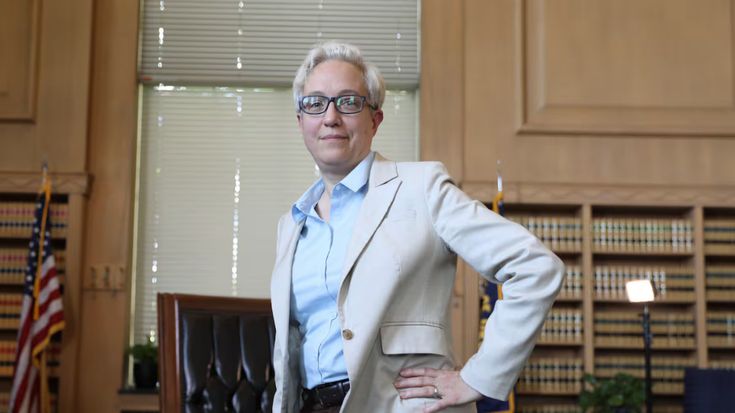
In a dramatic policy reversal that’s sending shockwaves through Oregon politics, Governor Tina Kotek announced on January 7, 2026, her support for fully repealing House Bill 3991 (HB 3991) — the $4.3 billion transportation funding package she championed and signed into law just months earlier. This “Oregon transportation repeal” comes after a successful Republican-led referendum froze key revenue provisions, leaving the Oregon Department of Transportation (ODOT) facing a $242 million shortfall and potential layoffs.
As Oregonians grapple with rising costs and infrastructure needs, this Kotek legislative redirect highlights the challenges of funding roads, bridges, and transit in a state shifting toward electric vehicles and facing economic pressures. This comprehensive guide explains the bill’s background, the reasons for the proposed repeal, impacts on drivers and taxpayers, and the path forward — all based on the latest developments as of January 9, 2026.
What Was HB 3991? Understanding Oregon’s Transportation Funding Package
HB 3991, passed during a special legislative session in September 2025 and signed by Governor Kotek in November 2025, was designed as an emergency measure to address ODOT’s looming budget crisis. The bill aimed to raise approximately $4.3 billion over a decade through targeted increases:
- A 6-cent-per-gallon gas tax hike (phased in).
- Increases to vehicle registration and title fees.
- A payroll tax adjustment to support public transit.
- Reforms for heavy truck taxation and greater ODOT accountability.
Proponents argued it was essential to prevent hundreds of layoffs, maintain road safety, and fund critical projects like bridge repairs and snow removal. However, critics labeled it the “largest transportation tax hike in Oregon history,” burdening families amid inflation.
The package was a scaled-down version after larger proposals failed in the regular 2025 session, positioning it as a “stopgap” until a more comprehensive plan in 2027.
Why the Sudden Reversal? The Referendum and Funding Freeze

The turning point came when opponents — led by Republican lawmakers and anti-tax groups — gathered enough signatures to refer the tax and fee increases to the November 2026 ballot. This automatically suspended those revenues, creating uncertainty for ODOT.
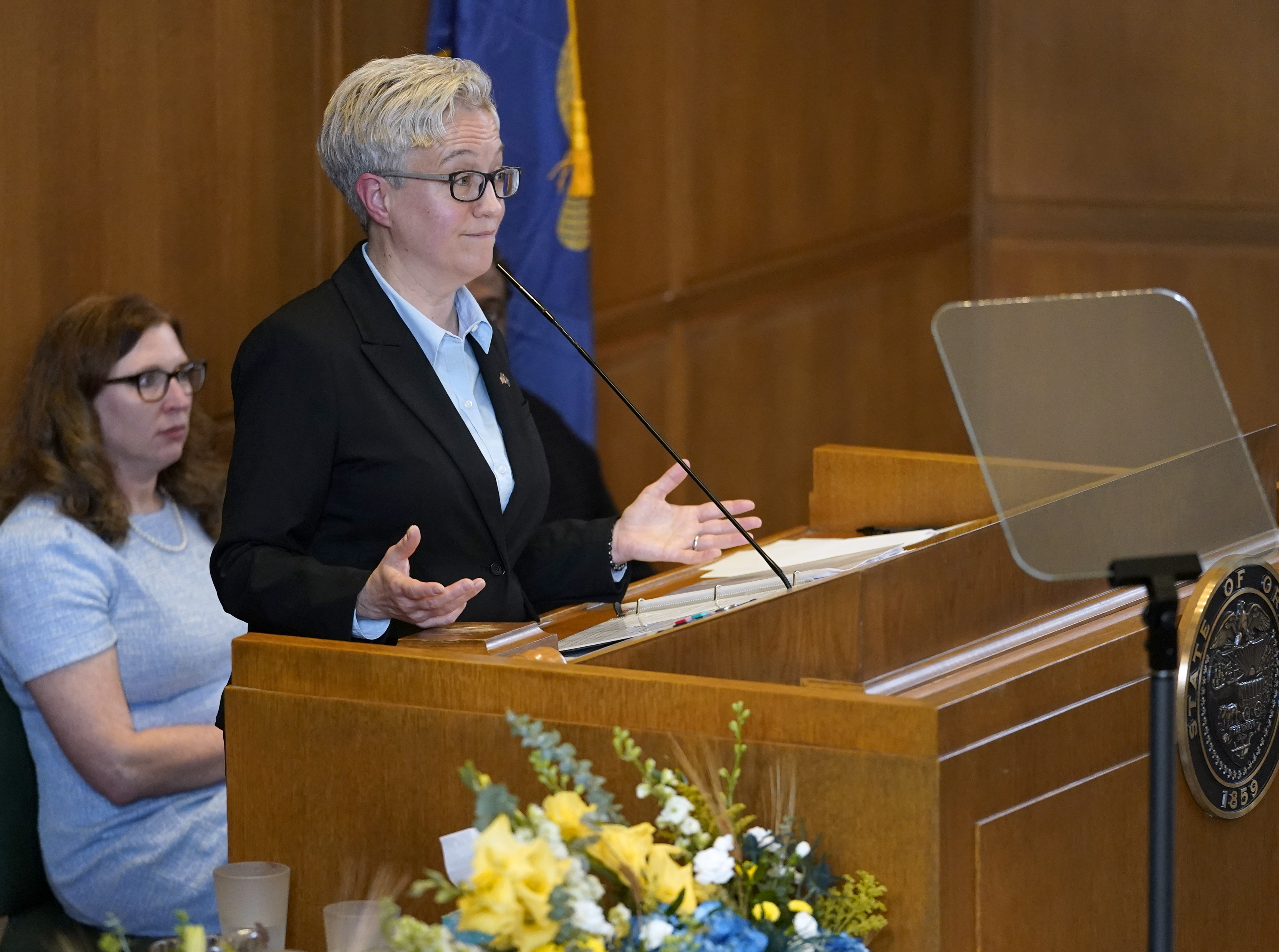
In her January 7 speech to the Oregon Transportation Forum, Kotek outlined a “redirect, repeal, and rebuild” strategy:
- Redirect: Reallocate existing funds to core maintenance and operations in the upcoming February 2026 session.
- Repeal: Fully scrap HB 3991 to avoid implementation costs without matching revenue.
- Rebuild: Develop a new, bipartisan package for the 2027 session.
Kotek stated that leaving the bill in place would force ODOT to “absorb implementation costs without new resources,” prolonging instability. Republicans view this as an admission of failure, with some accusing Kotek of preempting voter input for political reasons ahead of her reelection bid.
Impacts of the Proposed Oregon Transportation Repeal
The repeal could provide short-term relief from tax hikes but raises concerns about long-term infrastructure funding. Here’s a breakdown:
| Aspect | Current Situation (With Frozen Revenues) | Post-Repeal Outlook |
|---|---|---|
| Gas Tax & Fees | Increases on hold until 2026 vote | Permanently avoided if repealed |
| ODOT Budget Gap | $242 million shortfall | Temporary fix via redirection; no new funds |
| Jobs & Services | Risk of spring layoffs | Potential prevention through reallocation |
| Infrastructure Projects | Delayed or scaled back | Focus on maintenance over expansions |
| Public Transit | Protected from cuts | Prioritized in redirection |
Drivers may see delayed pothole repairs or project slowdowns, while advocates worry about worsening congestion on routes like I-5 and aging bridges.
Public and Political Reactions to Kotek’s Policy U-Turn
Reactions are polarized:
- Supporters (including some unions like SEIU Local 503) praise the pragmatic shift to protect jobs.
- Critics (Republicans and taxpayers) call it a “political panic” to avoid ballot defeat.
- Social media buzz reflects relief over tax pauses but skepticism about future hikes.
Transportation groups like the Oregon Trucking Associations oppose full repeal, valuing non-tax reforms in the bill.
Conclusion: A Pivotal Moment for Oregon’s Roads and Economy
Governor Tina Kotek’s call to repeal HB 3991 marks a significant Oregon policy U-turn, driven by the realities of the referendum and ODOT’s transportation funding crisis. While it offers immediate taxpayer relief and job protection through redirection, it underscores the need for sustainable solutions amid declining gas tax revenues and growing infrastructure demands.
As lawmakers convene in February 2026, bipartisan collaboration will be key to “rebuilding” a viable plan for 2027. Oregonians should stay engaged — contact representatives and follow updates from ODOT and reliable sources like OPB or the Oregon Capital Chronicle. This saga isn’t over; it’s a chance to address long-standing challenges in funding the state’s mobility future responsibly.
Frequently Asked Questions (FAQ) About Oregon’s Transportation Bill Repeal
What is HB 3991?
HB 3991 was a 2025 transportation funding bill raising $4.3 billion via gas tax hikes, vehicle fees, and payroll taxes to support ODOT operations, road maintenance, and transit.
Why does Governor Kotek want to repeal HB 3991?
A successful referendum froze the tax increases, leaving ODOT unable to implement the bill without incurring costs. Kotek argues repeal avoids prolonged uncertainty and allows a fresh start.
Will gas taxes or vehicle fees increase if the bill is repealed?
No — repeal would eliminate the planned hikes entirely, providing relief to drivers and taxpayers.
What happens to ODOT jobs and road maintenance?
Kotek proposes redirecting existing funds to prevent layoffs and prioritize core services like snow removal and pothole repairs.
When will a new transportation funding plan be proposed?
Kotek aims for a comprehensive, bipartisan package in the 2027 legislative session.
How can Oregon residents get involved?
Contact your legislators during the February 2026 session and monitor ballot measures or future proposals.