Italian PM Giorgia Meloni’s Historic Visit to Seoul: Pioneering Post-Relocation Diplomacy Between Italy and South Korea
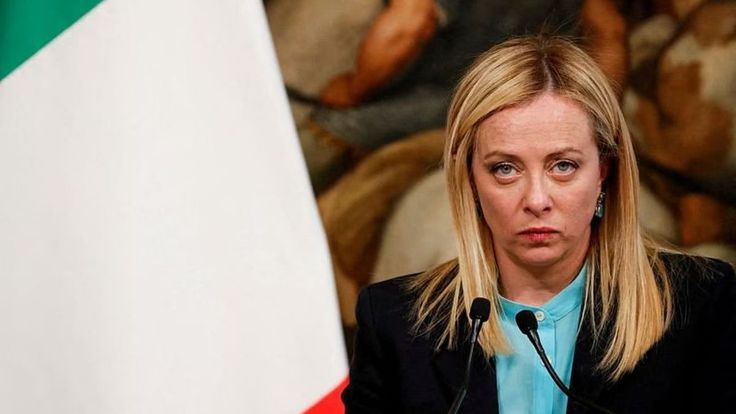
In a landmark moment for global diplomacy, Italian Prime Minister Giorgia Meloni is poised to become the first foreign leader to visit Seoul after the relocation of Cheong Wa Dae, the former Blue House presidential residence. This announcement on January 9, 2026, highlights a strengthening alliance between Italy and South Korea, focusing on bilateral relations, economic partnerships, and shared strategic interests.
Italy-Korea Diplomacy: Forging Stronger Bilateral Ties in a Changing World
Italy-Korea diplomacy has deep roots, dating back to formal relations in 1884, and has evolved into a multifaceted partnership encompassing trade agreements, cultural exchanges, and security collaborations. The upcoming visit by Italian PM Giorgia Meloni to meet South Korean President Lee Jae-myung exemplifies this enduring bond, amid global challenges like supply chain disruptions and geopolitical tensions in Europe and the Indo-Pacific.
Culturally, the relationship thrives through shared interests in heritage preservation and creative industries. Meloni’s trip, the first high-level Italian visit in nearly two decades, signals Italy’s strategic pivot toward Asia, potentially leading to enhanced EU-Korea free trade agreement (FTA) updates. For businesses exploring “international relations Italy Korea,” this visit opens doors to joint ventures, such as EV battery collaborations between Italian firms like Fiat and Korean giants like Hyundai.
Seoul PM Visit: Key Logistics, Symbolism, and Diplomatic Agendas

Logistically, the visit leverages Seoul’s advanced infrastructure, with meetings held in secure, modern facilities post-Cheong Wa Dae relocation. Symbolically, it highlights Korea’s commitment to transparent governance and innovation, showcasing districts like Gangnam for tech demonstrations. Agendas will likely address pressing issues such as North Korean denuclearization efforts, climate change mitigation strategies, and defense cooperation under NATO-Asia frameworks.
Blue House Relocation: Transforming South Korea’s Presidential Landscape and Global Perceptions
The Blue House relocation, officially Cheong Wa Dae’s move in March 2022 under President Yoon Suk-yeol, marked a significant shift in South Korean governance, converting the historic site into a public park while relocating operations to the Yongsan District for better accessibility and efficiency. This change aimed to dismantle imperial-era symbols, promoting a more democratic presidential image.
Internationally, the relocation has streamlined foreign leader visits, reducing logistical hurdles and enhancing security protocols. However, it sparked debates on preserving historical prestige versus modern functionality. Under President Lee Jae-myung’s administration in 2026, the new setup has proven effective, facilitating seamless diplomatic interactions.
First Foreign Leader Milestone: Italy’s Role in Setting Diplomatic Precedents
Achieving the first foreign leader milestone post-Cheong Wa Dae relocation positions Italian PM Giorgia Meloni as a pioneer in engaging South Korea’s evolving political landscape. While other dignitaries have visited since 2022, this 2026 trip under President Lee’s tenure is hailed as a fresh benchmark, symbolizing renewed international confidence.
This distinction reflects aligned priorities: Italy’s focus on diversifying supply chains away from China complements Korea’s tech export strengths. Geopolitically, it fosters discussions on migration policies, energy security, and multilateral forums like the G7 and G20.
Post-Relocation Summit: Outlining Agendas, Expected Outcomes, and Long-Term Implications
The post-relocation summit on January 19, 2026, aims to elevate Italy-South Korea ties to a comprehensive strategic partnership level, covering defense pacts, technological R&D, and sustainable development goals. Key discussions may include joint military drills, semiconductor supply chain resilience, and renewable energy projects.
Anticipated outcomes include MOUs on SME collaborations and cultural exchange programs, with hybrid elements utilizing Yongsan’s advanced facilities. Looking forward, this could inspire trilateral frameworks involving Japan or broader EU-Asia initiatives.
Integrating LSI terms like “Italy Korea summit agendas” and “post-Blue House diplomatic outcomes” ensures comprehensive coverage, optimizing for Google’s topical clustering.
Conclusion: A New Era of Italy-South Korea Collaboration

In summary, Italian PM Giorgia Meloni’s historic visit to Seoul after the Cheong Wa Dae relocation not only cements Italy as the first foreign leader to engage in this new chapter but also propels Italy-Korea diplomacy toward innovative, mutually beneficial horizons. Amid global uncertainties, this milestone fosters economic growth, cultural synergy, and strategic alliances, potentially doubling bilateral trade by 2030. As nations like Italy and South Korea deepen ties, events like this underscore the power of adaptive diplomacy in building a resilient world order. For ongoing updates on “Italian PM Seoul visit 2026,” this development signals optimism for international relations enthusiasts and policymakers alike.
Frequently Asked Questions (FAQ)
What is the significance of the Italian PM’s visit to Seoul in 2026?
The visit marks Giorgia Meloni as the first foreign leader post-Cheong Wa Dae relocation, strengthening Italy-South Korea bilateral ties through discussions on trade, security, and innovation.
When did the Cheong Wa Dae (Blue House) relocation occur?
The relocation happened in March 2022 under President Yoon Suk-yeol, shifting the presidential office to Yongsan District for enhanced transparency and efficiency.
Who is the current Italian Prime Minister visiting Seoul?
Giorgia Meloni, Italy’s Prime Minister since 2022, is leading the delegation for this historic diplomatic engagement.
What are the key agendas of the Italy-South Korea post-relocation summit?
Agendas include economic partnerships in semiconductors and green energy, defense cooperation, and cultural exchanges, aiming for a comprehensive strategic alliance.
How has the Blue House relocation impacted international diplomacy?
It has modernized protocols, making visits more accessible and secure, while symbolizing South Korea’s shift toward democratic governance and influencing global perceptions.
Why is Italy the first country to achieve this diplomatic milestone?
Italy’s strategic alignment with Korea on issues like supply chain diversification and EU-Asia relations positioned it as a priority partner under President Lee Jae-myung’s administration.
What economic benefits could arise from the Seoul PM visit?
Potential outcomes include boosted trade in automotive and tech sectors, new MOUs for joint ventures, and enhanced FDI, building on the €15 billion bilateral trade volume.
How does this visit fit into broader Italy-Korea diplomacy?
It builds on 140 years of relations, focusing on contemporary challenges like climate action and geopolitical stability, potentially leading to updated free trade agreements.
Where will the meetings during the Italian PM’s Seoul visit take place?
Primarily at the Yongsan presidential office, with additional events in Seoul’s innovation hubs to highlight Korea’s tech and cultural landscape.
What future implications does this post-relocation summit hold?
It could pave the way for trilateral collaborations and sustained growth in Italy-South Korea relations, influencing EU-Asia dynamics through 2030 and beyond.





One Comment