17 Republicans Join Democrats to Restore Lapsed Obamacare Subsidies: Historic Bipartisan House Vote on ACA Premium Tax Credits
Washington, D.C. – January 9, 2026 — In a remarkable display of cross-party cooperation, 17 House Republicans broke with GOP leadership to join all Democrats in passing a bill that extends enhanced Affordable Care Act (ACA) premium subsidies — widely known as Obamacare subsidies — for three years. The legislation passed the House on January 8, 2026, by a vote of 230-196, marking a significant victory for health care affordability advocates and a notable setback for House Speaker Mike Johnson and Republican leaders who had sought to block the measure.
The enhanced ACA premium tax credits, which lapsed on December 31, 2025, had provided critical financial relief by lowering monthly premiums and expanding eligibility for millions of Americans purchasing individual health insurance through marketplace exchanges. Their expiration led to immediate and substantial premium increases in 2026, making the issue a flashpoint for voters concerned about rising health care costs.
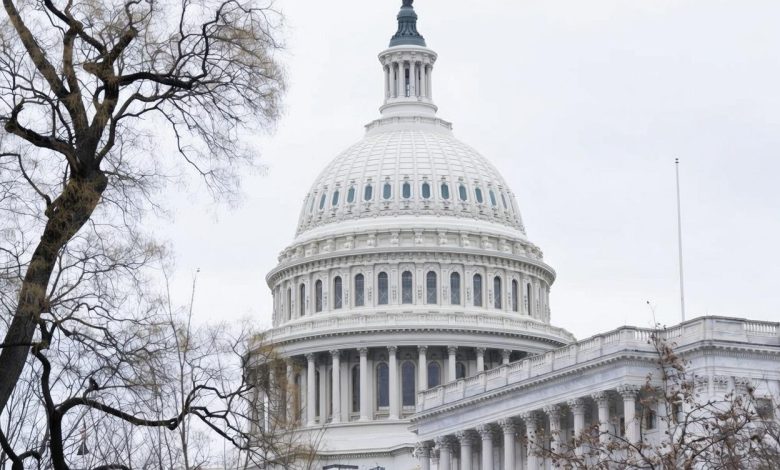
Here are recent images from the U.S. House of Representatives chamber during this pivotal vote session:
How Democrats Forced the Vote: The Rare Discharge Petition
House Democrats, under the leadership of Minority Leader Hakeem Jeffries, successfully employed a discharge petition — an uncommon procedural tool — to circumvent Republican leadership and bring the bill directly to the floor. The petition reached the required 218 signatures in late December 2025, bolstered by early support from four Republicans.
A procedural motion on January 7 cleared the way with nine GOP votes, and by the final passage vote the next day, Republican support had grown to 17 members — many representing swing districts where constituents rely heavily on ACA marketplace coverage.
Here is House Democratic Leader Hakeem Jeffries speaking to the press following the successful passage:
The 17 Republicans Who Supported the Bill
The Republicans who voted in favor come predominantly from competitive districts or states with significant ACA enrollment, reflecting constituent pressure on health insurance affordability:
- Brian Fitzpatrick (Pennsylvania)
- Mike Lawler (New York)
- Rob Bresnahan (Pennsylvania)
- Ryan Mackenzie (Pennsylvania)
- Andrew Garbarino (New York)
- Mike Carey (Ohio)
- Monica De La Cruz (Texas)
- Jeff Hurd (Colorado)
- Dave Joyce (Ohio)
- Tom Kean Jr. (New Jersey)
- Nick LaLota (New York)
- Max Miller (Ohio)
- Zach Nunn (Iowa)
- María Elvira Salazar (Florida)
- David Valadao (California)
- Derrick Van Orden (Wisconsin)
- Rob Wittman (Virginia)
Here are portraits of two leading GOP supporters, Rep. Brian Fitzpatrick (R-PA) and Rep. Mike Lawler (R-NY):
Why the Enhanced ACA Subsidies Are Critical
Originally expanded through the 2021 American Rescue Plan and extended through 2025, the enhanced Obamacare premium tax credits revolutionized marketplace affordability by:
- Increasing subsidy amounts for lower- and middle-income enrollees
- Eliminating the previous income cap at 400% of the federal poverty level
- Reducing or eliminating premiums for many households
Roughly 22–24 million Americans purchase coverage through ACA exchanges. The lapse of these subsidies at the end of 2025 resulted in premium spikes of hundreds of dollars per month for many families, amplifying concerns about health care access and costs.
Here is an explanatory graphic showing how ACA premium subsidies lower monthly health insurance costs:
Political Implications and the Road Ahead

This vote exposed clear divisions within the Republican conference and handed Democrats a messaging win on protecting health coverage. For the 17 Republicans who supported the bill, the decision reflects electoral realities in districts where voters prioritize affordable health care over ideological opposition to the ACA.
The legislation now advances to the Republican-controlled Senate, where passage in its current form is unlikely. Nevertheless, active bipartisan discussions indicate a potential compromise extension could be incorporated into broader fiscal or tax legislation to avert prolonged premium increases.
Conclusion
The successful House passage of this ACA subsidies restoration bill, backed by 17 Republicans alongside Democrats, represents a rare bipartisan achievement on one of America’s most polarizing health policy issues. Motivated by the tangible impact of expiring subsidies — sharply higher premiums burdening millions of families — the vote illustrates the enduring political power of health care affordability.
As the measure moves to the Senate amid ongoing negotiations and with the 2026 midterms approaching, this unexpected cross-aisle support highlights that safeguarding access to affordable health insurance can transcend traditional party lines. The ultimate fate of the enhanced Obamacare subsidies will shape coverage costs for millions in the years to come.
FAQ: 17 Republicans Vote to Restore Obamacare SubsidiesHere are images of the U.S. House of Representatives chamber during recent proceedings:
What bill did the House pass on January 8, 2026? A bill extending enhanced Affordable Care Act (ACA/Obamacare) premium tax credits for three years, restoring subsidies that lapsed on December 31, 2025.
How many Republicans voted in favor and why is it significant? 17 Republicans joined all Democrats in a 230-196 vote — a notable bipartisan rebellion against GOP leadership, driven by voter concerns over rising health care costs.
Which Republicans supported the ACA subsidies extension? Prominent supporters include Brian Fitzpatrick (PA), Mike Lawler (NY), David Valadao (CA), Andrew Garbarino (NY), Zach Nunn (IA), and others mostly from swing or competitive districts.
What is the next step for the legislation? The bill heads to the Senate, where Republican resistance is expected, though bipartisan negotiations for a possible compromise are actively underway.
Why did the enhanced Obamacare subsidies expire? The temporary expansions, enacted during the COVID-19 pandemic through the American Rescue Plan, were scheduled to end on December 31, 2025.
How many Americans are impacted by these ACA premium tax credits? Approximately 22–24 million individuals enrolled in ACA marketplace plans benefit from the enhanced subsidies, helping keep coverage affordable.