A Vengeful Trump Urges Voters to Oust Republicans, Including Susan Collins: Fallout from Senate Venezuela War Powers Vote
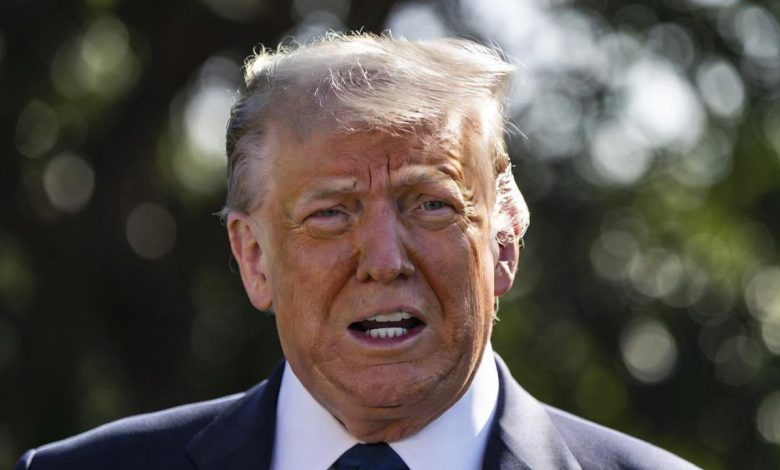
Washington, D.C., January 9, 2026 — In a blistering intra-party attack, President Donald Trump has called for voters to defeat five Republican senators who broke ranks and voted with Democrats to advance a War Powers Resolution restricting his authority for additional military action in Venezuela. The president’s Truth Social post on January 8, 2026, specifically named Susan Collins (R-Maine), Lisa Murkowski (R-Alaska), Rand Paul (R-Kentucky), Josh Hawley (R-Missouri), and Todd Young (R-Indiana), declaring they “should never be elected to office again.”
This rare and vengeful public rebuke follows a procedural Senate vote (52-47) to move the resolution forward, amid heightened U.S. involvement in Venezuela after the dramatic January 3, 2026, capture of former President Nicolás Maduro. The incident reveals significant fractures within the Republican Party over executive war powers, foreign military intervention, and party loyalty as the 2026 midterm elections draw near.
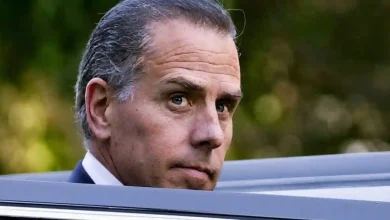
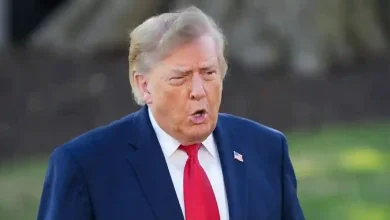
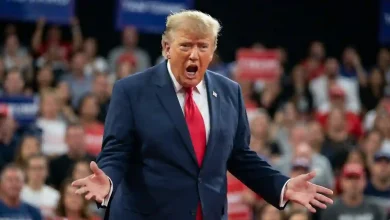
Here are recent images capturing President Donald Trump‘s intense style and reactions during high-stakes political moments:
The Senate Vote: Bipartisan Pushback on Presidential Authority
On January 8, 2026, the Senate advanced a War Powers Resolution (under the 1973 War Powers Act) that would require explicit congressional approval for any future U.S. military “hostilities within or against Venezuela.” The procedural vote passed 52-47, with five Republicans joining all Democrats — a surprising bipartisan move described as a symbolic check on executive power.
The resolution comes in response to the U.S. military’s January 3 raid that captured Nicolás Maduro and his wife, Cilia Flores, in Caracas. The operation, dubbed “Absolute Resolve,” resulted in Maduro’s extradition to face U.S. charges of narco-terrorism, drug trafficking, and more. Trump has indicated potential long-term U.S. involvement in stabilizing Venezuela, including securing its oil resources, prompting concerns about escalation without congressional oversight.
Trump’s furious Truth Social response labeled the vote as “stupidity” and a threat to national security:
“Republicans should be ashamed of the Senators that just voted with Democrats in attempting to take away our Powers to fight and defend the United States of America. Susan Collins, Lisa Murkowski, Rand Paul, Josh Hawley and Todd Young should never be elected to office again. This vote greatly hampers American Self Defense and National Security, impeding the President’s authority as Commander in Chief. In any event, and despite their ‘stupidity,’ the War Powers Act is Unconstitutional…”
He vowed to veto any final legislation.
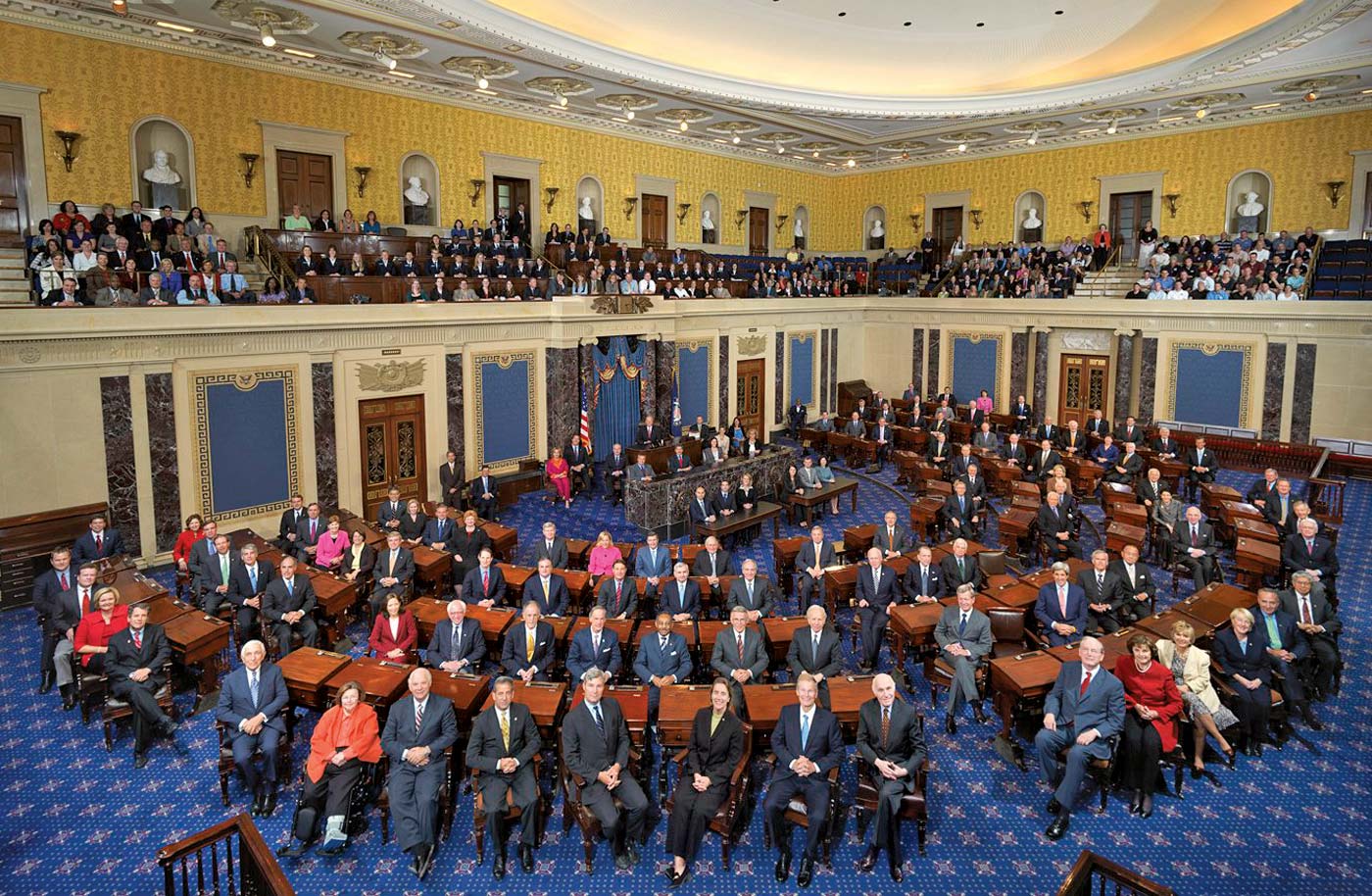
Here are views of the U.S. Senate chamber where this historic procedural vote unfolded:
The Five Targeted Republican Senators
The senators who supported advancing the resolution include a mix of ideological backgrounds:
- Susan Collins (Maine) — A moderate centrist facing reelection in November 2026 in a competitive state. Her seat is a high-priority Democratic target.
- Lisa Murkowski (Alaska) — Known for independent stances and past survival of Trump-supported primaries.
- Rand Paul (Kentucky) — A libertarian advocate for limiting executive overreach; he co-sponsored similar measures.
- Josh Hawley (Missouri) — Typically Trump-aligned but broke here on constitutional grounds.
- Todd Young (Indiana) — Focused on preventing prolonged conflict without Congress.
Collins emphasized support for the Maduro capture but opposition to extended unilateral military engagement.
Here are official portraits of Senator Susan Collins (R-Maine), the most vulnerable senator targeted:
Context: U.S. Capture of Nicolás Maduro and Escalating Venezuela Involvement
The crisis escalated with the January 3, 2026, U.S. special operation that removed Nicolás Maduro from power. Trump described the action as a success against a “narcoterrorist” regime, with Maduro now detained in New York facing federal charges. Trump has suggested long-term U.S. administration of Venezuela, including oil extraction, raising fears of another extended foreign commitment.
Reactions and Implications for 2026 Midterms
The president’s comments have polarized the GOP:
- Supporters see it as holding disloyal members accountable.
- Some Republicans worry about damaging party unity when Senate control hangs in the balance.
- Democrats are capitalizing on the infighting, with Maine Democrats noting the added pressure on Collins.
The greatest political risk falls on Susan Collins, where Trump’s call could inspire primary challengers or boost Democratic efforts in a swing state.
Conclusion
President Donald Trump’s aggressive demand that voters oust these Republican senators — particularly the reelection-vulnerable Susan Collins — marks a dramatic escalation of political retribution after the Venezuela War Powers Resolution vote. As the U.S. role in Venezuela evolves and the 2026 midterms loom, this outburst highlights persistent tensions over executive war powers, military intervention abroad, and intra-party loyalty. Whether it rallies the MAGA base or risks broader GOP damage will shape the political landscape in the months ahead.
FAQ: Trump Calls to Oust Republicans Over Venezuela War Powers Vote
What prompted President Trump’s call to defeat these Republican senators? Trump reacted to five GOP senators voting with Democrats on January 8, 2026, to advance a resolution limiting his war powers in Venezuela.
Which Republican senators did Trump specifically target? Susan Collins (Maine), Lisa Murkowski (Alaska), Rand Paul (Kentucky), Josh Hawley (Missouri), and Todd Young (Indiana). He stated they “should never be elected to office again.”
Why is Susan Collins’ position most threatened? Collins faces reelection in November 2026 in a competitive state. Trump’s public criticism could fuel primary challenges or strengthen Democratic efforts to flip her seat.
What was the Senate vote about? It advanced a War Powers Resolution requiring congressional approval for future U.S. military action in Venezuela, following the capture of Nicolás Maduro and concerns over prolonged involvement.
Has Trump previously called out fellow Republicans this way? Yes, Trump has a track record of endorsing primary challenges against perceived disloyal GOP figures, but this direct appeal against sitting senators is particularly forceful.
What are the broader implications for the Republican Party and midterms? The statement risks deepening divisions within the GOP at a critical time, potentially harming Senate control while energizing the core base against “RINOs.”
This article is based on verified reporting from The New York Times, POLITICO, Reuters, CNN, The Washington Post, and President Trump’s Truth Social posts (current as of January 9, 2026).