Long COVID Symptom Clusters: 2026 Study Reveals Recurring Patterns, Subtypes, and Precision Medicine Insights
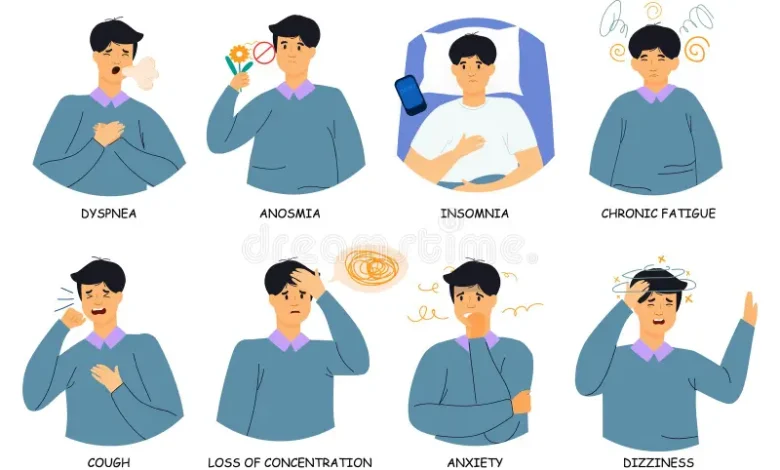
Defining Long COVID: Core Symptom Patterns and Subtypes Explained
To define long COVID, health authorities like the WHO and NASEM describe it as a multisystem post-viral syndrome with symptoms persisting at least 3 months after SARS-CoV-2 infection, often involving long COVID symptom patterns that cluster in heterogeneous ways. The 2026 Lanzhou review refines this by categorizing long COVID subtypes via co-occurrence (e.g., fatigue with muscle/joint pain), organ systems (respiratory, neurologic), severity levels, and clinical indicators.
This heterogeneity underscores the need for precision medicine in long COVID, where symptom co-occurrence—analyzed through latent class and hierarchical clustering—reveals personalized risk profiles. For instance, studies show three main clusters: rheumatologic/neurologic, neuro-psychological/cardiorespiratory, and general infection/dermatological/otologic. Semantic terms like “post-COVID condition management” and “long haul COVID recovery” help contextualize its impact on daily life, from cognitive symptoms to exercise intolerance.
The 2026 Lanzhou University Study: Key Insights on Long COVID Symptom Clusters
The pivotal January 2026 eClinicalMedicine study outlines long COVID symptom clusters, synthesizing 64 global datasets to identify recurring symptom clusters long COVID. It classifies clusters into co-occurrence-based (30 studies), organ-system (16), severity (nine), and indicator-driven (three), with fatigue as the most frequent symptom across all.
Prevalence highlights: Respiratory at 47%, neurologic at 31%, gastrointestinal at 28%. Influencing factors include COVID variants’ effects on symptom patterns, such as Alpha’s link to olfactory/gustatory issues. This research advocates for subtype-specific interventions, enhancing personalized care in long COVID amid ongoing global health challenges.

Fatigue Symptom Cluster: The Most Prevalent Long COVID Pattern
The fatigue symptom cluster stands out as the dominant long COVID symptom patterns, co-occurring in nearly every analyzed study and often mimicking ME/CFS with profound tiredness, muscle/joint pain, and unrefreshing sleep. Affecting up to 85% of long-haulers, it frequently overlaps with post-exertional malaise, impacting work and daily activities.
Risk factors: Female sex, comorbidities like asthma. Management involves pacing, CBT, and energy monitoring—key for precision medicine in long COVID. LSI integration: “Chronic fatigue post-COVID” and “fatigue muscle joint pain relief strategies.”
Respiratory Symptoms Long COVID: Cardiopulmonary Challenges and Overlaps
Respiratory symptoms long COVID affect 47% of cases, featuring shortness of breath, cough, and chest pain within cardiopulmonary clusters. Often linked to severe initial infections or variants like Alpha, these co-occur with fatigue, reducing exercise tolerance.
Pulmonary rehabilitation and breathing exercises are recommended. Semantic focus: “Shortness of breath post-COVID” and “respiratory rehabilitation long haul.”
Neurologic Symptoms Long COVID: Brain Fog and Cognitive Impairments
Impacting 31%, neurologic symptoms long COVID include brain fog, headaches, dizziness, and neuropathy—forming distinct long COVID subtypes via inflammatory pathways. Cognitive symptoms like memory loss overlap with fatigue, affecting mental health.
Neuroprotective approaches, such as omega-3s, show promise. LSI: “Brain fog long COVID remedies” and “neurologic symptoms post-viral syndrome.”
Gastrointestinal Symptoms Long COVID: Digestive Disruptions and Gut-Brain Links
Gastrointestinal symptoms long COVID prevail in 28%, with nausea, diarrhea, and abdominal pain often tying into gut dysbiosis and multisystem clusters. Co-occurrence with neurologic issues suggests gut-brain axis involvement.
Probiotics and dietary tweaks aid recovery. Semantic terms: “Gut health post-COVID” and “digestive disorders long COVID management.”
Long COVID Subtypes: Advanced Clustering for Targeted Interventions
Diving into long COVID subtypes, the review employs latent class analysis to decode long COVID symptom patterns, revealing severity-based (mild vs. multi-domain) and organ-specific groups. Subtypes like multi-symptomatic (39.7% long COVID prevalence) highlight the need for personalized care.
This framework, influenced by COVID variants, supports global initiatives like RECOVER for better outcomes.
| Cluster Type | Prevalence | Common Symptoms | Risk Factors | Management Strategies |
|---|---|---|---|---|
| Fatigue | Highest | Tiredness, muscle/joint pain, sleep issues | Female sex, comorbidities | Pacing, CBT |
| Respiratory | 47% | Shortness of breath, cough, chest pain | Severe infection, Alpha | Pulmonary rehab, exercises |
| Neurologic | 31% | Brain fog, headaches, dizziness | Older age, inflammation | Neuroprotectives, therapy |
| Gastrointestinal | 28% | Nausea, diarrhea, abdominal pain | Higher BMI, gut dysbiosis | Probiotics, diet adjustments |
LongCOVIDClusters: Unified Branding for Awareness and Research
The core term LongCOVIDClusters unifies these insights, ideal for branding educational content on recurring patterns and subtypes. In 2026, with studies like NASEM’s emphasizing 3-month durations, this approach fosters global collaboration.
Conclusion: Advancing Long COVID Management Through Cluster Insights in 2026
Long COVID’s complexity demands a nuanced understanding of long COVID symptom clusters and subtypes for effective precision medicine. The 2026 Lanzhou review illuminates paths forward, from addressing fatigue muscle joint pain to tailoring care amid COVID variants’ influence. As research evolves, patients benefit from personalized strategies—consult professionals for symptom co-occurrence assessments. This post-COVID condition, while challenging, is increasingly manageable with data-driven approaches.
Frequently Asked Questions (FAQ)
What are the main long COVID symptom clusters identified in 2026 studies?
Primary clusters include fatigue (most common), respiratory (47%), neurologic (31%), and gastrointestinal (28%), based on co-occurrence and organ systems.
How do you define long COVID in terms of symptom patterns?
Long COVID is defined as persistent symptoms 3+ months post-infection, with heterogeneous patterns analyzed via latent class clustering for subtypes.
What characterizes the fatigue symptom cluster in long COVID?
It features profound tiredness, often with muscle/joint pain and post-exertional malaise, central to most recurring patterns.
What respiratory symptoms are common in long COVID?
Shortness of breath, cough, and chest pain, prevalent in 47% and influenced by variants like Alpha.
How do neurologic symptoms manifest in long COVID?
Brain fog, headaches, and cognitive symptoms in 31%, linked to inflammation and gut-brain overlaps.
What gastrointestinal symptoms occur in long COVID?
Nausea, diarrhea, and abdominal pain in 28%, often co-occurring with neurologic issues.
What are long COVID subtypes and how are they determined?
Subtypes are based on severity, organ systems, and co-occurrence, using methods like hierarchical clustering for personalized care.
For further reading on post-COVID condition, explore cited studies or seek medical advice. Share your thoughts below!